GST Council Unveils New Two-Tier Rate Structure: Essentials, Services Get Cheaper
The GST Council has announced a major reform in India’s tax structure by approving a two-tier GST system effective September 22, 2025. The decision, taken at the 56th GST Council Meeting, is aimed at rationalising tax rates and making essentials, grooming services, and electronic appliances more affordable.
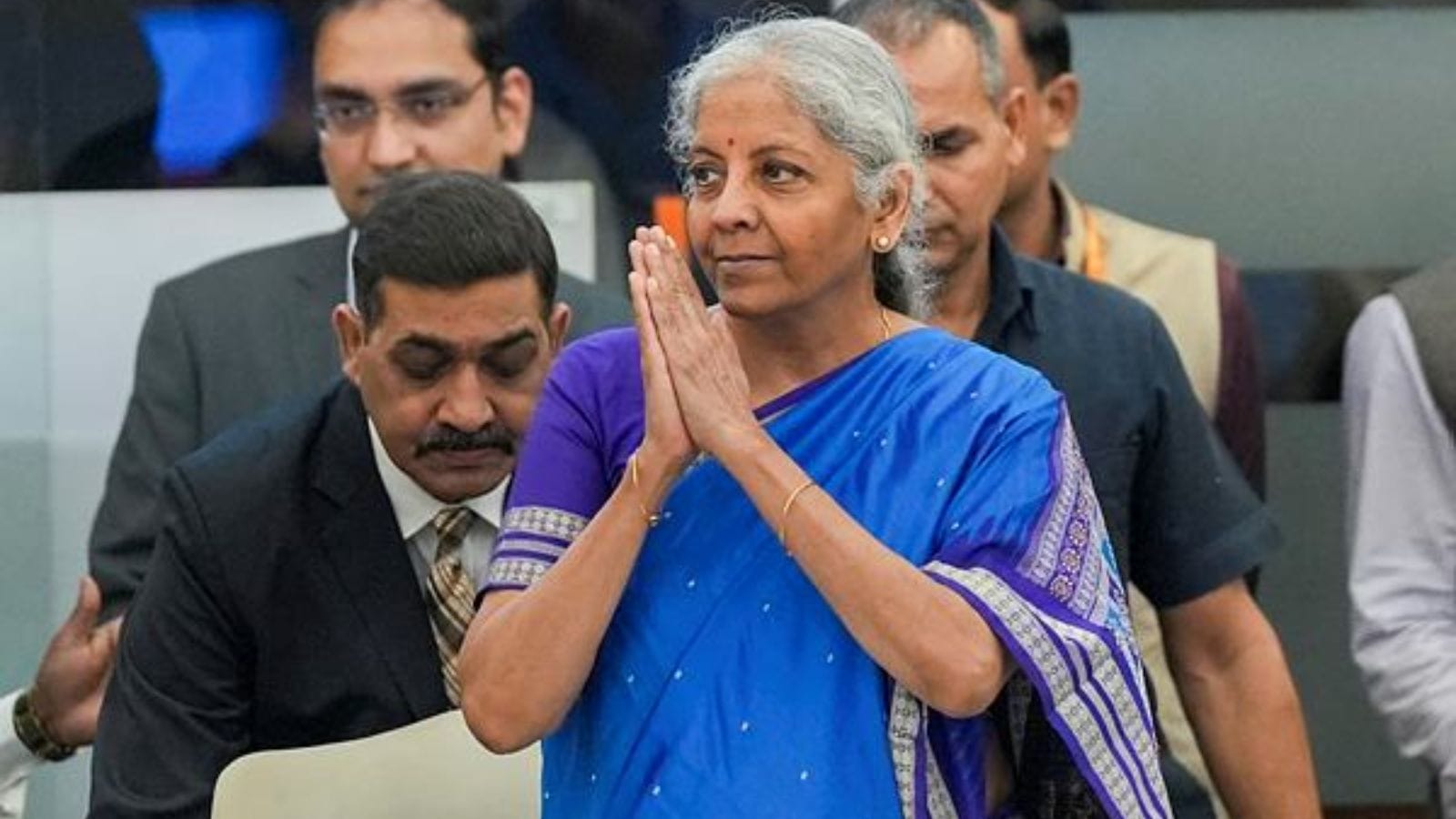
Finance Minister Nirmala Sitharaman, addressing the media late Wednesday, confirmed that the GST Council had agreed to move to just two slabs — 5% and 18%. She further announced that life and health insurance premiums will no longer attract GST, offering relief to millions of policyholders.
At the same time, “sin goods” such as tobacco and related products, including cigarettes, will be subject to a 40% levy, reflecting the Council’s intent to discourage consumption.
What Gets Cheaper?
Consumers will benefit from reduced GST on a wide range of items and services:
-
Daily essentials like hair oil, shampoos, soaps, butter, ghee, cheese, namkeen, and utensils.
-
Grooming & fitness services, including salons, gyms, and yoga centres.
-
Education items such as maps, globes, charts, and pencils.
-
Insurance policies, with both health and life premiums exempted from GST.
-
Household appliances, including air conditioners, washing machines, and televisions.
-
Transport, with two-wheelers and cars set to become more affordable.
The Council also highlighted that this restructuring is expected to ease household budgets, boost consumption, and simplify compliance for businesses.
Political Reactions
The decision has sparked political responses. Senior Congress leader and former finance minister P. Chidambaram criticised the reforms, calling them a “U-turn.” He argued that the changes had come “eight years too late” and said that the earlier GST design and rates should never have been introduced. “We have been crying hoarse for the last eight years against the design and rates of GST, but our pleas fell on deaf ears,” Chidambaram said in a post on X.
Consensus Among States
Bihar Deputy Chief Minister Samrat Choudhary noted that the new structure was agreed upon after a broad consensus among states, signalling stronger coordination in shaping India’s indirect tax regime.
The announcement marks a historic shift in GST’s structure since its introduction in 2017. With essentials and services becoming more affordable, and a streamlined two-rate system replacing the earlier complex slabs, both consumers and businesses are expected to experience significant relief in the months ahead.