Nepal Bans Facebook, X, YouTube, and 23 Other Social Media Platforms
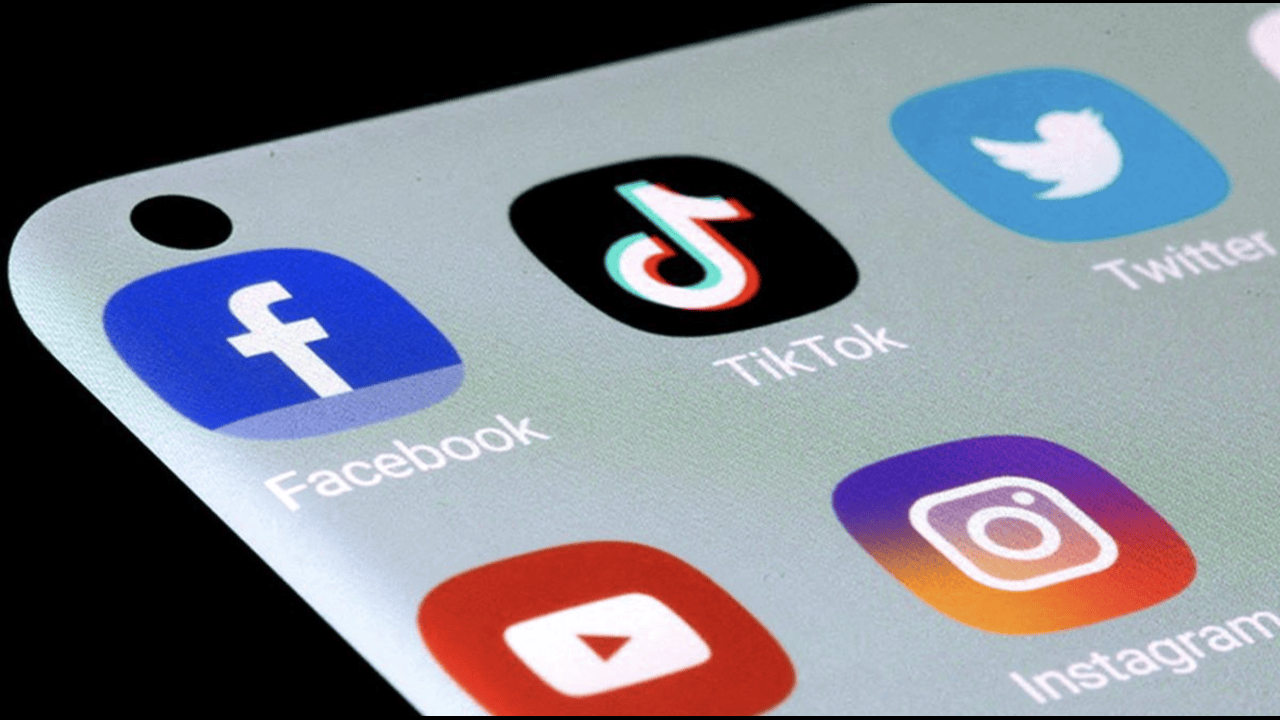
Kathmandu, September 4, 2025 – In a sweeping move that has drawn widespread criticism, the Nepalese government has banned 26 social media platforms, including Facebook, X (formerly Twitter), Instagram, and YouTube, citing non-compliance with its registration requirements.
The Ministry of Communications and Information Technology issued the order after the platforms failed to meet a deadline to register in Nepal. The ban comes on the heels of a Cabinet decision, with the government directing the Nepal Telecommunication Authority to deactivate all non-registered platforms.
The Oli-led government had previously given multiple deadlines, the latest expiring on September 3. Officials had hoped companies would register before midnight, but none complied. The government insists the move is based on a Supreme Court ruling and new directives for social media regulation.
Critics, however, argue that the ban is less about regulation and more about silencing dissent. Ujjwal Acharya, Director of the Center for Media Research, described the decision as “misguided,” warning that it would harm Nepal’s democratic image and global reputation.
“Social media today is not just for political expression — it is vital for communication, business, and daily life,” Acharya said. “The ban is simply wrong and will affect ordinary citizens the most.”
This is not Nepal’s first attempt at restricting social media. In November 2023, TikTok was banned under the Pushpa Kamal Dahal government, sparking criticism before the decision was reversed in August 2024 when the platform agreed to register.
Observers believe social media companies have resisted registration due to the intrusive oversight and control measures demanded by the government, which many see as unrealistic and authoritarian.
Since returning to power, Prime Minister K.P. Sharma Oli’s administration has faced criticism for being increasingly intolerant of online dissent. Earlier this year, a proposed new law aimed at regulating online activity was met with fierce opposition, with experts warning it would grant the state excessive powers to control digital platforms.
The decision has already triggered backlash among Nepalese social media users, many posting farewell messages in anticipation of the platform going offline. Analysts caution that the move could undermine Nepal’s democratic values, restrict freedom of expression, and damage its international standing.
For now, the ban remains in place until companies comply with the government’s registration rules, leaving millions of Nepalese citizens disconnected from their primary means of online communication.