Iran Allows India Safe Passage Through Strait of Hormuz
Amid escalating tensions in the Middle East, Iran has announced that it will allow safe passage for ships from five “friendly nations,” including India, through the strategically crucial Strait of Hormuz. This development comes at a time when fears of a complete blockade have raised concerns over global oil supply and maritime trade.
In an interview with Iranian state television, Abbas Araghchi clarified that the Strait of Hormuz is not entirely closed. He stated that vessels from countries maintaining cooperative relations with Iran are permitted to transit the region safely. Alongside India, ships from Russia, China, Pakistan, and Iraq have also been granted passage.
Araghchi revealed that several countries had contacted Iran to request secure transit for their vessels. He confirmed that Iran’s armed forces are actively ensuring safe passage for these nations, and this coordinated approach will continue even beyond the current conflict period.
However, Iran has taken a firm stance against countries it considers adversaries. Araghchi stated that vessels belonging to the United States, Israel, and certain Gulf nations involved in the ongoing conflict will not be allowed to pass through the strait. He emphasized that the region is currently a war zone, and Iran sees no reason to facilitate transit for hostile nations.
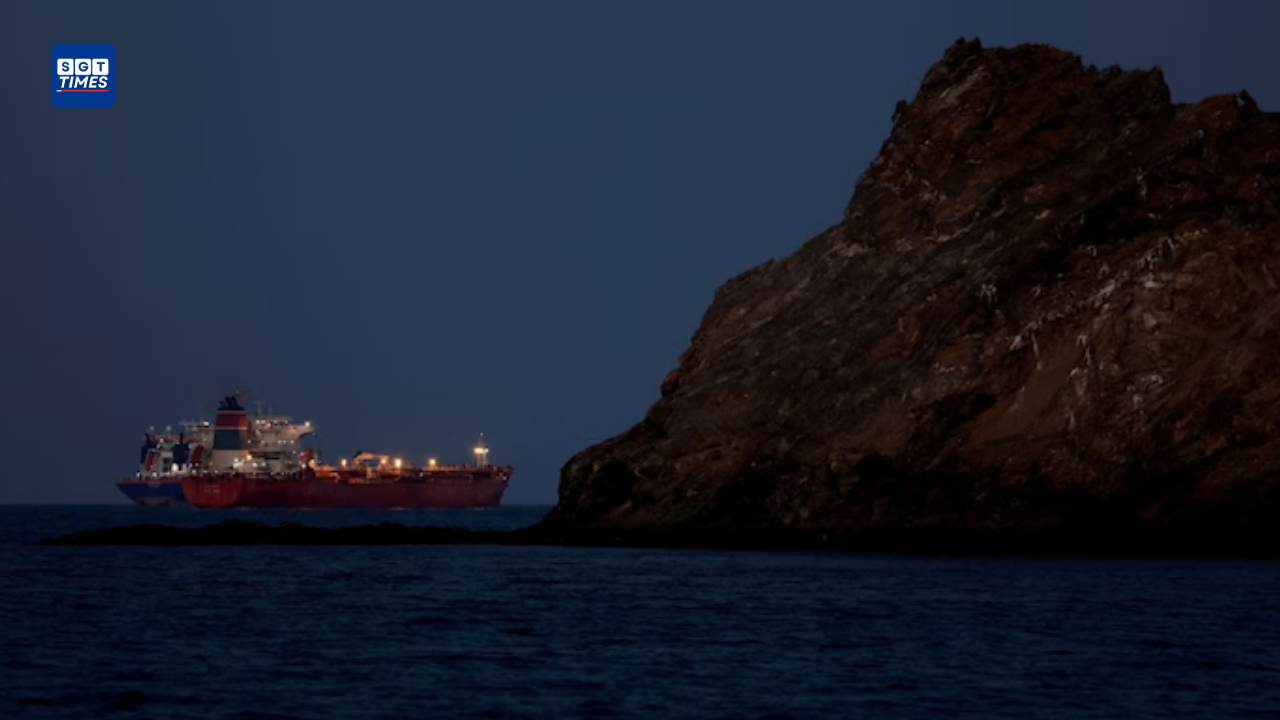
The Strait of Hormuz remains one of the world’s most critical oil transit chokepoints, making any restrictions a matter of global concern. Iran’s selective access policy signals both its strategic control over the waterway and its intent to assert influence amid rising geopolitical tensions.
Araghchi also highlighted that Iran’s decision to enforce a partial blockade initially faced skepticism worldwide. However, he claimed that Iran successfully demonstrated its authority and capability to regulate access to the strait. He further noted that attempts by opposing nations to counter this move have not succeeded.
This development reflects a significant shift in regional dynamics, with India’s inclusion among the permitted nations underscoring its diplomatic positioning and strategic ties in the region.