Iran Intensifies Attacks on Gulf Energy Facilities Amid Conflict
Tensions in the Middle East have escalated as Iran intensified its strikes on energy infrastructure across the Persian Gulf region following an Israeli attack on its major gas field. This development represents a significant escalation in the ongoing conflict involving Israel.
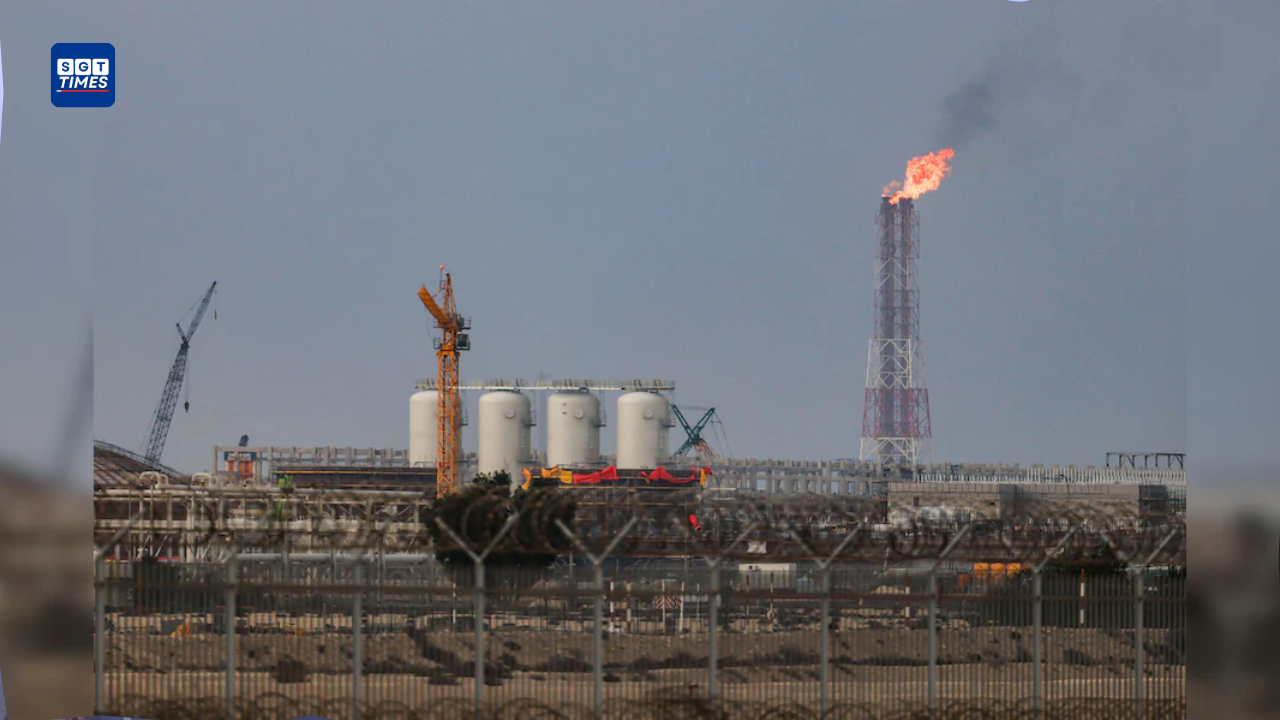
Iranian missile attacks targeted key energy facilities in Qatar, including liquefied natural gas (LNG) infrastructure, triggering fires and causing extensive damage. Authorities confirmed that production at the affected facilities had already been halted due to earlier strikes, and the latest attacks further disrupted operations. Emergency teams were deployed to control the fires, which have since been brought under control.
The situation has also impacted maritime activity in the strategically important Strait of Hormuz, a crucial global oil transit route through which nearly one-fifth of the world’s oil supply passes. Reports indicate that the shipping channel has become nearly impassable, with incidents of vessels being damaged and set ablaze off the coasts of the United Arab Emirates and Qatar.
In response to the escalating threat, authorities in Abu Dhabi temporarily shut down operations at major gas facilities, including the Habshan gas complex and the Bab oil field, describing the attacks as a “dangerous escalation.” Officials have expressed concern over the safety of critical infrastructure and the potential long-term impact on global energy markets.
Energy analysts warn that continued disruption in the region could lead to significant delays in supply chains and increased volatility in global fuel prices. The Persian Gulf remains a critical hub for international energy exports, and any sustained instability could have far-reaching economic consequences.
The ongoing conflict continues to raise concerns about regional security and the stability of global energy supplies, as both sides intensify their actions in an already volatile environment.