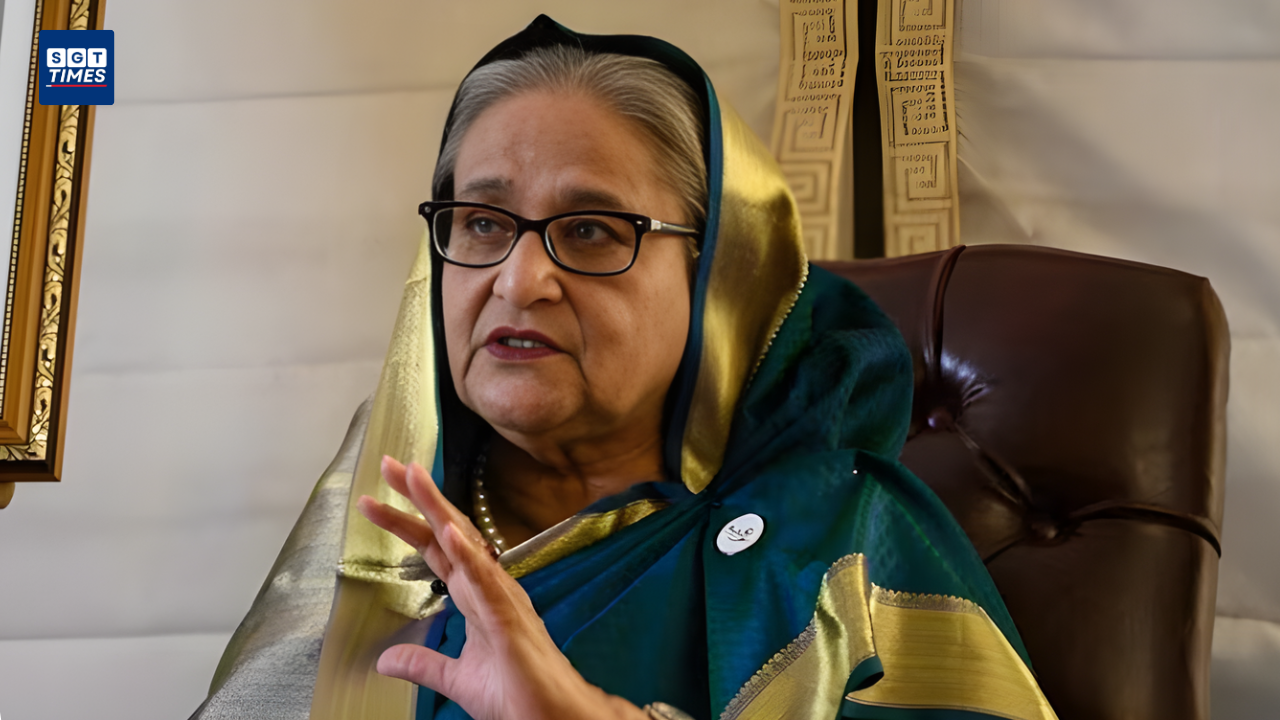
Sheikh Hasina Sentenced to Death for War Crimes
Bangladesh’s International Crimes Tribunal has sentenced former Prime Minister Sheikh Hasina to death for crimes against humanity related to last year’s deadly student uprising, which led to the collapse of her government. The verdict was delivered in her absence, as the 78-year-old leader remains in exile in New Delhi.
Hasina was accused of ordering a violent crackdown between July and August 2024 and was convicted on three major charges: incitement to violence, issuing orders to kill protesters, and failing to prevent atrocities committed by security forces. The tribunal found her responsible for killings, torture, disappearances, drone attacks, and helicopter-led strikes on unarmed demonstrators.
Former Home Minister Asaduzzaman Khan has also been sentenced to death, while a former police chief received a five-year sentence after becoming a state witness.
According to the tribunal’s order, Hasina’s instructions “exterminated protesters in a systematic and widespread manner,” meeting the legal definition of crimes against humanity. Her speeches, described as inflammatory, allegedly triggered coordinated attacks on students, many of whom were shot at close range.
The United Nations estimated that up to 1,400 people were killed and thousands more injured in the crackdown, marking the worst political violence since Bangladesh’s independence war in 1971. Interim government officials report more than 800 deaths and 14,000 injuries.
Hasina and her party have rejected the verdict, calling the tribunal a “kangaroo court.” Her lawyers were not permitted to represent her; instead, the state appointed a public defender. The Awami League, which has been suspended from political activity, claims the ruling is part of a political vendetta.
The verdict comes just months before the national elections scheduled for February. With the Awami League barred from contesting, observers fear that the ruling could lead to fresh unrest.
Security across Dhaka has been significantly increased ahead of the announcement, with army units, paramilitary border guards, and police checkpoints transforming the city into what officials describe as a “fortress.” Recent days have already seen crude bombs, arson attacks, and bus burnings linked to rising political tension.
If appealed, the verdict could be escalated to the Supreme Court, but Hasina’s son has stated that they will not seek relief unless a democratically elected government is restored.
As Bangladesh enters a tense election season, this sentence marks a historic turning point — one that could reshape the country’s political future and reignite street-level conflict.