Congress Takes Clear Lead in Telangana Municipal Polls 2026, Wins 1,526 Wards
The ruling Indian National Congress has emerged as the clear frontrunner in the Telangana Municipal Polls of 2026, demonstrating a strong performance across urban local bodies in the state. According to data released by the Telangana State Election Commission by 8:40 p.m., Congress candidates won 1,526 out of the 2,958 declared wards, solidifying the party’s lead in this civic contest.
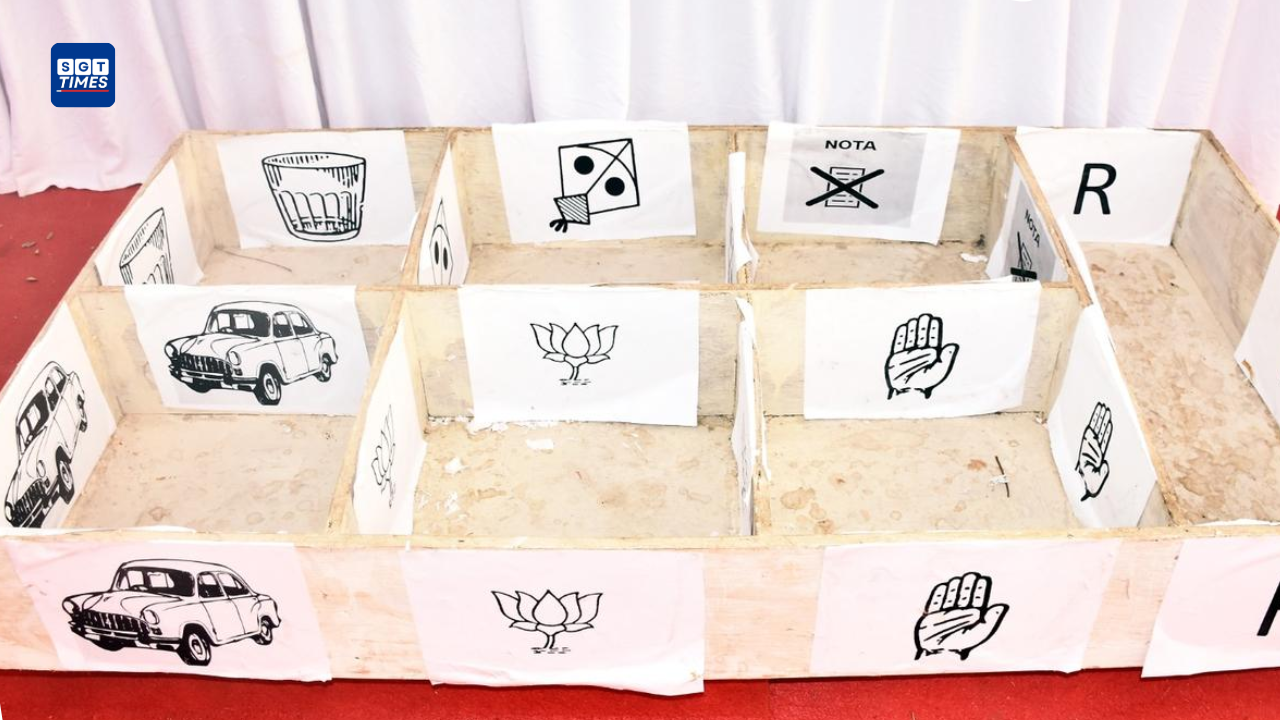
The principal opposition party, the Bharat Rashtra Samithi (BRS), secured second place by winning 772 wards, maintaining a significant presence despite intense competition from the ruling party. The Bharatiya Janata Party (BJP), aiming to expand its urban influence, won 326 wards and made gains in certain municipal corporations. Additionally, the All India Majlis-e-Ittehadul Muslimeen (AIMIM) secured 66 wards, while the Communist Party of India (Marxist) won 13 wards.
The elections were held on February 11, 2026, covering 2,569 wards across 116 municipalities and 412 wards across seven municipal corporations. Counting began at 8:00 a.m. on February 13, with early trends emerging around 10:00 a.m. as the ballot counting progressed. Officials first counted postal ballots, followed by regular ballots, and winning candidates were issued election certificates soon after the results were declared.
Political analysts view these results as a significant indicator of urban voter sentiment in Telangana, especially following recent assembly and parliamentary elections. Congress’s strong performance suggests a consolidation of support in key urban centers, while the BRS continues to exert influence in several municipalities. Although the BJP ranked behind the top two parties, its performance indicates gradual growth in urban areas across the state.
With councillors and corporators expected to take their oaths shortly, attention will now shift to the election of mayors, deputy mayors, chairpersons, and vice-chairpersons in various civic bodies. These results are likely to shape political strategies ahead of future state-level contests and will influence governance priorities in Telangana’s rapidly growing urban regions.