US Claims Progress in War Against Iran
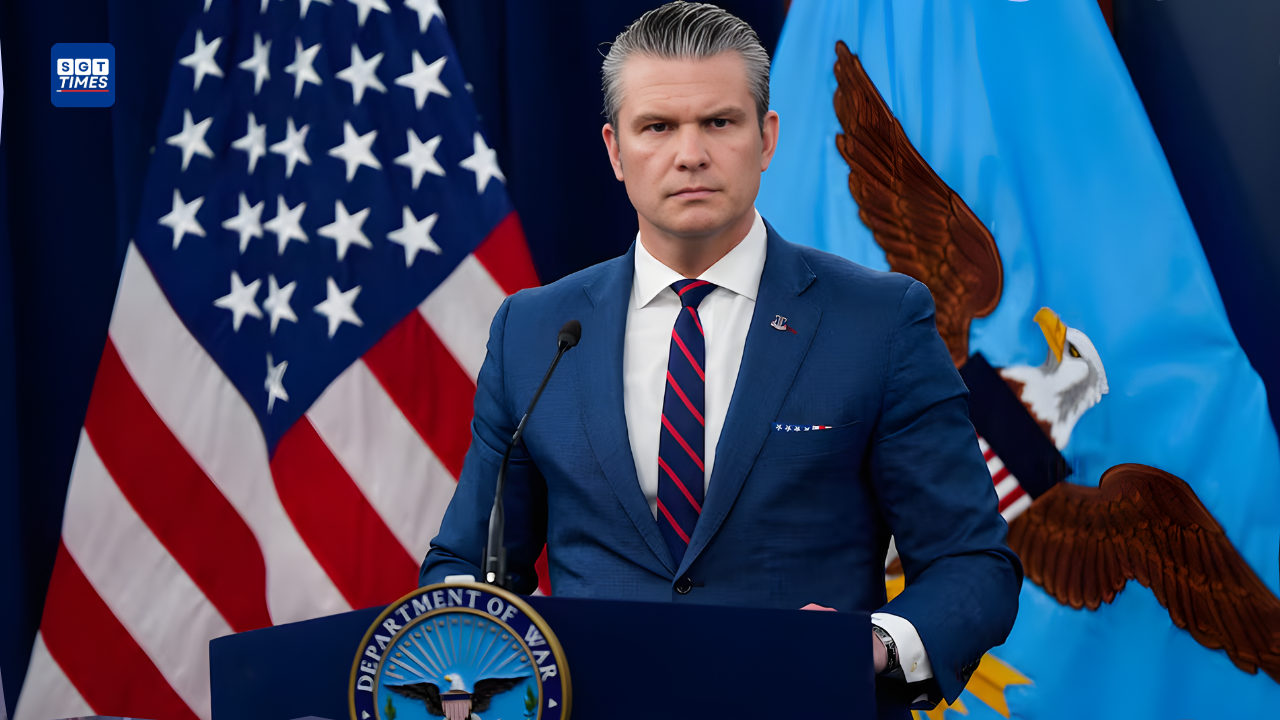
The United States has announced significant progress in its ongoing conflict with Iran. US Secretary of War Pete Hegseth stated that America is currently winning the fight against Tehran. However, he did not provide a timeline for when the war might end, emphasizing that the final decision will depend on President Donald Trump.
In remarks to reporters, Hegseth outlined the key objectives guiding US military actions in the region. According to him, Washington’s strategy focuses on three primary goals: neutralizing Iran’s missile capabilities, destroying its naval power, and permanently preventing Iran from developing nuclear weapons.
Hegseth affirmed that the United States remains committed to achieving these objectives and will continue military operations until Iran is decisively defeated. He stressed that the US will not retreat from the conflict until it ensures that Tehran can no longer pose a long-term military or nuclear threat.
Despite Washington’s repeated claims that Iran is being weakened, Iranian leaders maintain a strong stance of resistance. Officials in Tehran consistently reject accusations that the country is pursuing nuclear weapons. Instead, they assert that Iran’s nuclear program is intended solely for peaceful purposes, such as energy generation and scientific development.
Tensions between the two countries escalated significantly after US forces launched strikes on key Iranian nuclear facilities in June 2025. At that time, President Donald Trump claimed that the attacks had “obliterated” Iran’s nuclear program and severely damaged its nuclear infrastructure. However, Iranian authorities disputed these claims and continued to defend their right to maintain a nuclear program under international regulations. Iranian leaders have also vowed to respond to any further military aggression and warned that they would continue to defend their sovereignty.
The conflict has raised concerns among international observers about the potential for prolonged instability in the region. Experts suggest that ongoing military tensions between the United States and Iran could have wider geopolitical consequences, potentially affecting global energy markets, regional security, and international diplomatic relations.
Meanwhile, diplomatic efforts to de-escalate tensions remain uncertain. While some global leaders have called for negotiations, both sides continue to assert firm positions regarding their national security interests.
For now, the situation remains highly volatile, with no clear timeline for the conflict’s resolution. While US officials claim strategic gains on the battlefield, Iran’s leadership has made it clear that it does not intend to back down, suggesting that the confrontation could persist for the foreseeable future.