
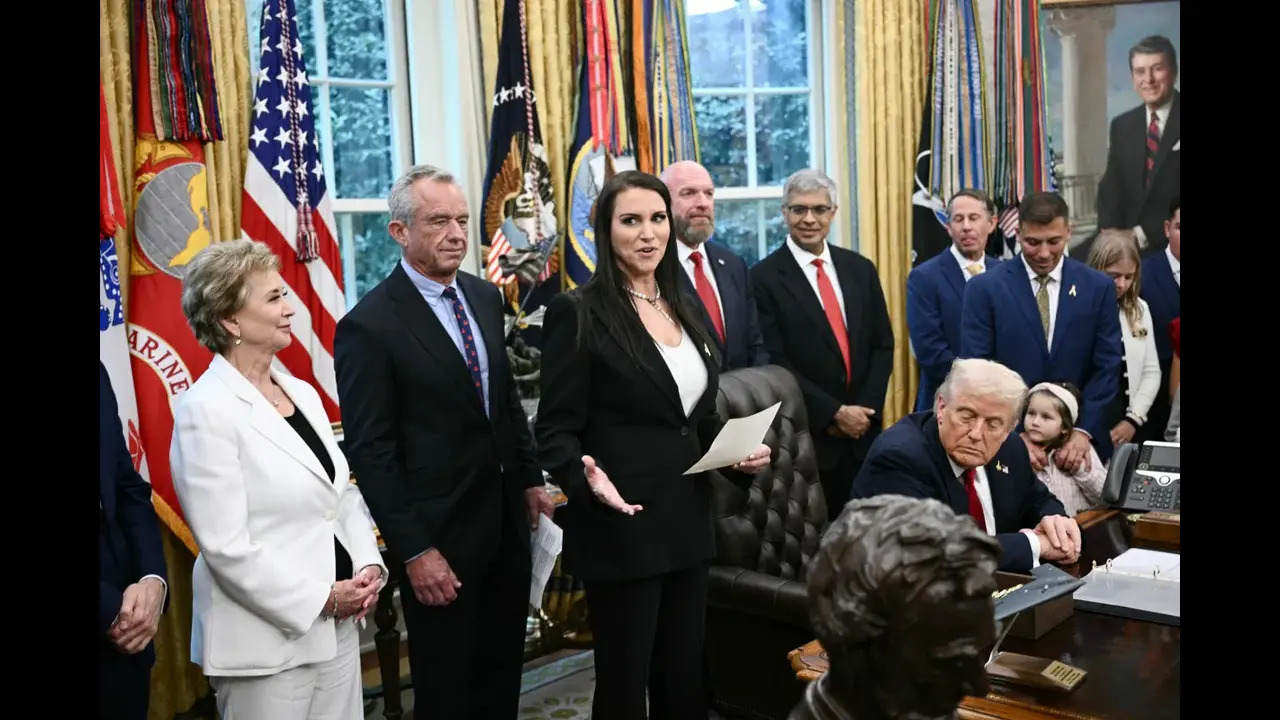
US Government Faces First Shutdown in Six Years
The United States has officially entered its first government shutdown in more than six years after Democrats blocked a Republican-backed stopgap funding measure. As a result, government funding expired at midnight, leaving Capitol Hill in deadlock with no immediate solution in sight.
The last shutdown, which occurred in late 2018 during Donald Trump’s presidency, lasted five weeks and became the longest in US history. This time, the stalemate stems from a bitter dispute between Democrats and Republicans over healthcare subsidies and federal spending.
What the Shutdown Means
A government shutdown halts nonessential operations, sending hundreds of thousands of federal workers on unpaid leave. According to the Congressional Budget Office, nearly 750,000 federal employees could be furloughed. At the same time, essential workers—including military personnel, border agents, and air-traffic controllers—will continue working without pay until the shutdown ends.
Healthcare services, border protection, air-traffic control, and law enforcement remain operational. Social Security and Medicare checks will still be issued, although some support services, such as benefit verification and card issuance, may be paused. Programs most at risk include food inspections, national parks, immigration hearings, and the processing of student loans.
Economic Impact
Although the immediate effects may not be felt across the broader economy, analysts estimate that each week of closure could shave 0.1 to 0.2 percentage points off US economic growth. Prolonged shutdowns risk delaying markets, stalling public services, and reducing public confidence.
Trump’s Role in the Standoff
Former President Donald Trump has heightened tensions by threatening to lay off federal workers permanently and cut programs favoured by Democrats. In statements before the vote, he warned of “a lot of layoffs,” framing the conflict as a partisan battle.
This comes amid what analysts describe as the biggest federal workforce exodus in 80 years, with over 150,000 employees set to leave after voluntary buyouts. Democrats accuse Trump of deliberately withholding approved spending to weaken government programs.
What’s Next?
Congress has shut down the government 15 times since 1981, most lasting only a few days. However, the length of this closure remains uncertain. Democrats insist that any spending bill must include permanent Affordable Care Act subsidies, which are set to expire at year’s end. Without these measures, healthcare costs could rise for nearly 24 million Americans, especially in Republican-led states like Florida and Texas.
Republicans, however, argue that Democrats are holding the budget “hostage” ahead of the 2026 midterm elections, turning fiscal negotiations into a political battlefield.
As both parties refuse to compromise, the United States now faces not only a government shutdown but also the risk of deepening political and economic instability.

