US-Iran Conflict Escalates Amid Invasion Allegations
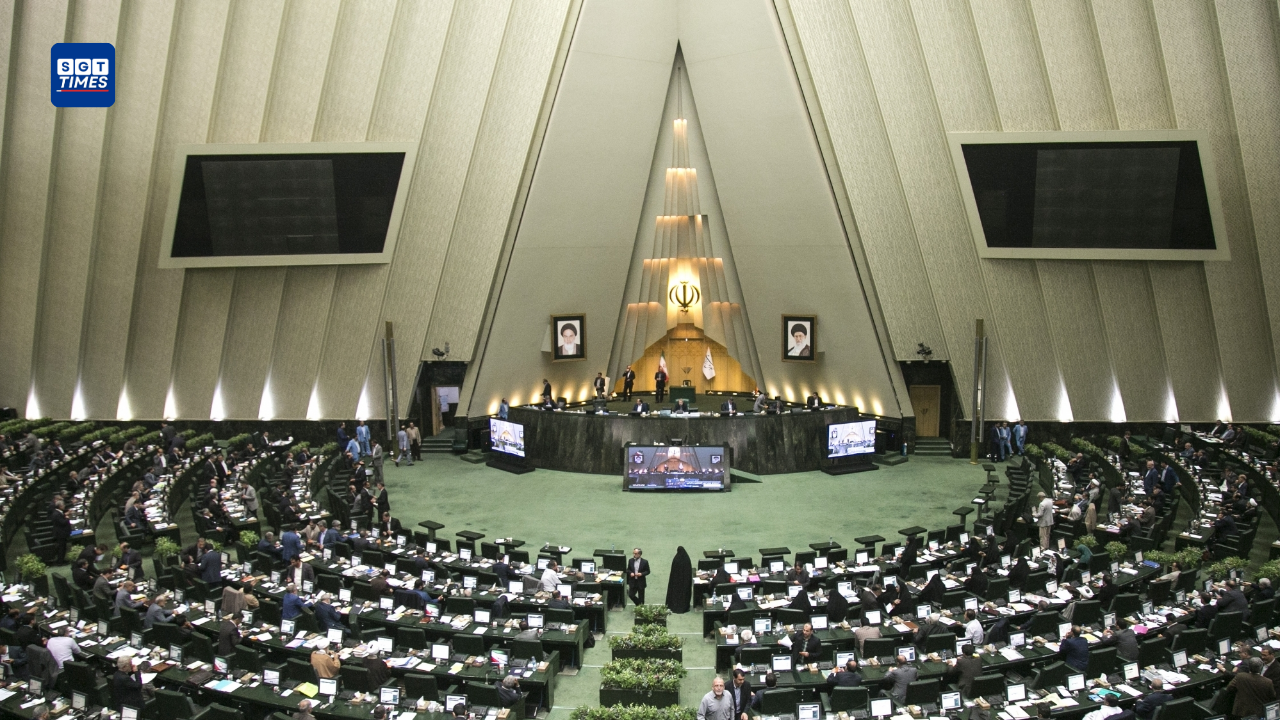
Tensions between Iran and the United States have significantly intensified. Mohammad Bagher Ghalibaf has accused Washington of secretly planning a ground invasion while publicly engaging in diplomatic efforts. He warned that Iranian forces are fully prepared to respond to any incursions, stating that U.S. troops entering Iran would face severe retaliation. Emphasizing the need for national unity, he described the current situation as one of the most critical phases in the country’s recent history.
Amid these accusations, the deployment of the USS Tripoli to the Middle East has raised concerns. The vessel, which carries around 3,500 sailors and Marines, was confirmed by U.S. Central Command. Additionally, CENTCOM chief Brad Cooper held discussions with Israeli military leaders, including Eyal Zamir, focusing on the ongoing conflict and strategies to counter Iran’s military capabilities.
On the ground, Israel has indicated that its operations targeting Iran’s military infrastructure are nearing completion. An Israeli Defense Forces spokesperson stated that strikes on critical components of Iran’s military production could conclude within days. However, these developments have further escalated tensions in the region.
In response, Iran has issued strong warnings. The country’s joint military command declared that the private residences of U.S. and Israeli officials could now be considered legitimate military targets. Spokesperson Ebrahim Zolfaghari justified this stance as retaliation for attacks on Iranian residential areas.
The situation has escalated beyond military targets. Iran’s Foreign Minister, Seyed Abbas Araghchi, condemned U.S. and Israeli strikes on universities, accusing them of trying to suppress knowledge through violence. Furthermore, the Islamic Revolutionary Guard Corps warned that American and Israeli educational institutions in the region could become targets.
Diplomatic efforts to de-escalate the crisis are ongoing but appear strained. Recent meetings among foreign ministers from Saudi Arabia, Egypt, Türkiye, and Pakistan in Islamabad aimed at discussing regional security, concluded without a joint statement, highlighting the complexity of the situation.
Meanwhile, the human cost of the conflict continues to rise. Reports indicate that over 3,000 people have been killed across the region, including casualties in Iran, Israel, Lebanon, Iraq, and Gulf states. As military actions intensify and diplomacy struggles to keep pace, the region remains on edge, with fears of a broader conflict growing stronger.