103 Naxalites Surrender in Bijapur Ahead of Amit Shah’s Bastar Visit
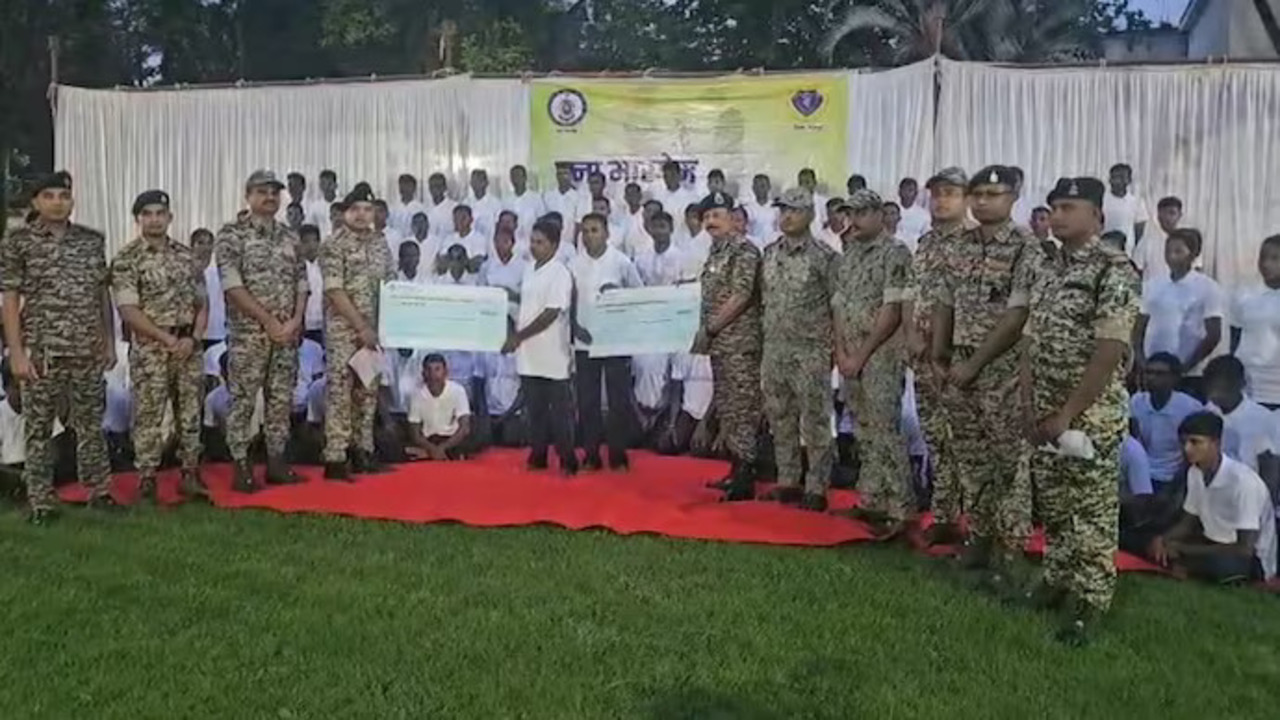
Bijapur district in Chhattisgarh has witnessed a breakthrough in the fight against Left-Wing Extremism with 103 Naxalites, including 23 women, surrendering before police officials just days ahead of Union Home Minister Amit Shah’s visit to Bastar.
According to the police, the surrender included key figures such as the president of the Dandakaranya Special Janatana Government, members of the People’s Congress, ACMs, DVCMs, Janatana Government members, militia platoon cadres, and activists linked to organisations like CNM, KAMS, and DAKMS. Of the 103 individuals, 49 carried a combined reward of ₹1.06 crore.
Under the state government’s surrender and rehabilitation policy, each surrendered cadre was given an incentive of ₹50,000. Officials said this move reflects the weakening morale of Naxalite groups, who are increasingly choosing to abandon violence and return to the mainstream.
“Since January 1, 2024, Bijapur has reported 924 Naxalite arrests, 599 surrenders, and 195 deaths in encounters. These figures demonstrate the impact of ongoing operations and development initiatives,” the police statement said.
The surrender ceremony was attended by senior officials, including the Superintendent of Police of Bijapur, the Commandant of the 4th IRB Battalion, the Commandant of the CRPF’s 85th Battalion, and other security personnel.
The development holds additional significance as it comes ahead of Amit Shah’s scheduled visit to Bastar on October 4, where he will attend the region’s culturally significant Dussehra celebrations. Shah will also participate in the Muria Darbar, a traditional tribal council, where he is expected to share a meal with community priests, including the Manjhi, Gayta, and Perma.
The Bastar visit is strategically important, considering the region has been a focal point of Naxal activity for decades. Since the BJP government assumed power in Chhattisgarh in late 2023, anti-Naxal operations have been intensified, combining security crackdowns with developmental programs to win the trust of tribal communities.
The twin events — the mass surrender in Bijapur and Shah’s Bastar tour — underline the government’s push to counter insurgency while also embracing the cultural fabric of the region. Analysts suggest that such moves not only weaken Naxal networks but also build stronger bonds with local communities, reducing the ground for extremist influence.
With 103 more cadres leaving arms behind, Bijapur and Bastar may now be looking at a crucial turning point in their decades-long battle against Left-Wing Extremism.