Nepal Lifts Social Media Ban, Home Minister Resigns Amid Deadly Protests
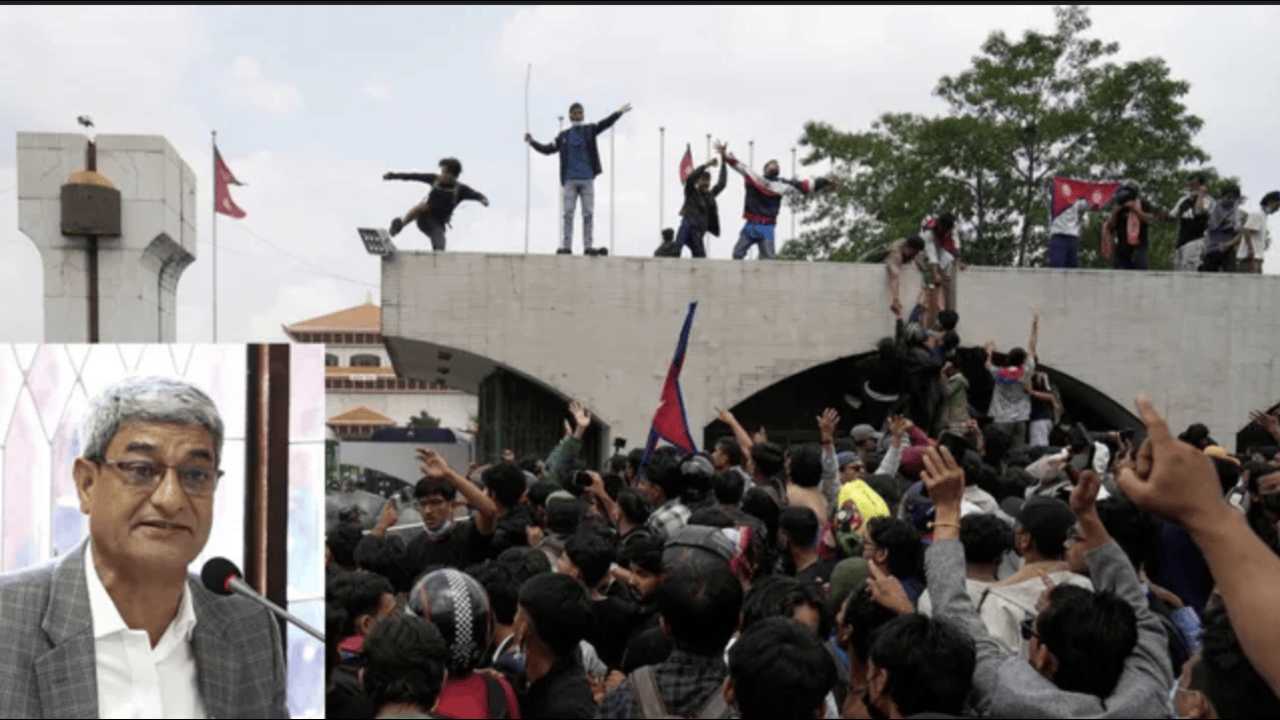
Nepal has entered one of its most turbulent phases in recent years, following violent protests that forced the government to lift a controversial social media ban and led to the resignation of Home Minister Ramesh Lekhak.
The protests, largely spearheaded by Gen Z activists, erupted after the government blocked major platforms, including Facebook, Instagram, WhatsApp, YouTube, Snapchat, and X. Officials justified the ban by citing the presence of fake accounts, misinformation, and online fraud. However, the move triggered massive outrage, with demonstrators accusing the government of curbing free speech while ignoring corruption.
The situation escalated when thousands of protestors marched in Kathmandu, clashing with police. At least 19 people lost their lives, making it Nepal’s deadliest unrest in two decades. Demonstrators carried placards reading “Unban Social Media” and “Youths Against Corruption,” reflecting growing frustration over corruption scandals and government inaction.
In a late-night emergency meeting, Minister for Communications and Information Technology, Prithvi Subba Gurung, announced that the ban on social media would be lifted. He urged the protesting youth to call off their demonstrations, while also insisting the government had no regrets about its earlier decision. The cabinet also formed an investigation committee to probe the day’s violence.
Meanwhile, Home Minister Ramesh Lekhak resigned on moral grounds after the deaths sparked nationwide anger. Prime Minister KP Sharma Oli accepted his resignation during an emergency cabinet session. Lekhak’s step-down is seen as a major political fallout of the unrest, as opposition parties accused the government of mishandling the crisis.
Authorities have since imposed curfews in several districts, including Kathmandu, Butwal, Bhairahawa, and Itahari. Restrictions on gatherings, rallies, and protests remain in force. Security officials deployed water cannons, batons, and rubber bullets to disperse crowds, while tensions continue to simmer across the Himalayan nation.
The United Nations has condemned the killings, calling for a swift and transparent investigation into the violence. Many analysts believe the protests mark a turning point in Nepal’s politics, highlighting how youth-led movements are challenging state policies and demanding greater accountability.
As the dust settles, Nepal’s leadership faces the pressing challenge of regaining public trust while addressing corruption and strengthening democratic freedoms in an increasingly digital society.