
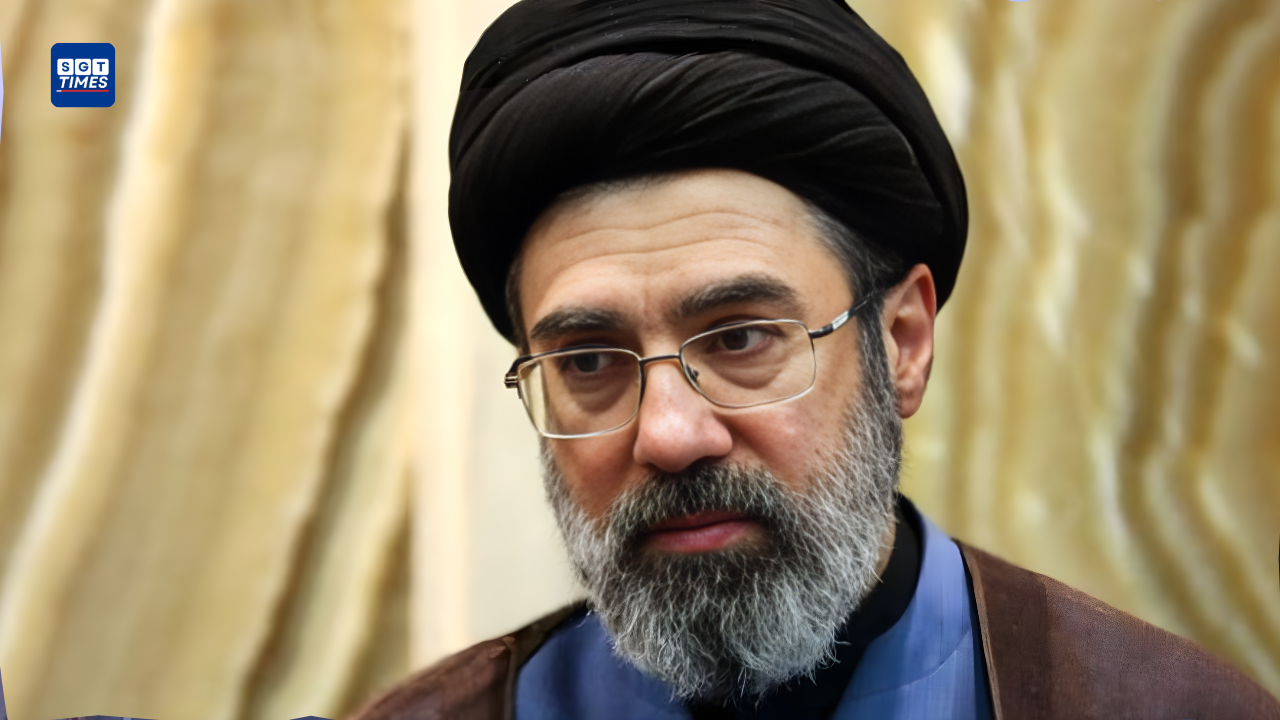
Mojtaba Khamenei Chosen As Iran’s New Supreme Leader
Mojtaba Khamenei, the son of Iran’s former Supreme Leader Ali Khamenei, has been appointed as the new Supreme Leader of Iran, according to Iranian state media. This announcement comes amid heightened tensions in the region and an ongoing conflict involving the country.
On Sunday, members of the clerical body responsible for selecting Iran’s highest authority announced that Mojtaba Khamenei was elected through a “decisive vote.” The assembly urged citizens to unite behind the new leadership and maintain national unity during these challenging times.
In a statement published by state outlets, the assembly called on Iranians across the nation, especially scholars and intellectuals from seminaries and universities, to pledge loyalty to the new leader and support the stability of the country.
This appointment marks a historic moment in Iran’s political system, as it is the first time since the Iranian Revolution of 1979 that the highest authority has passed directly from father to son. Analysts suggest that this move could spark debate within Iran, as the revolution originally aimed to eliminate hereditary rule, which existed under the Shah.
Mojtaba Khamenei was born in 1969 in Mashhad and is currently 56 years old. He has largely avoided public political roles and studied Islamic theology in the religious seminaries of Qom, spending much of his career working within his father’s office. Despite his influence in political and religious circles, he has never held an elected position and rarely makes public appearances.
This leadership transition follows the death of Ali Khamenei, who ruled Iran for nearly four decades before reportedly being killed in a joint U.S.-Israeli strike on Tehran on February 28, during the early stages of the conflict with Israel.
Following the announcement, key political and security institutions in Iran expressed support for the new leader. The powerful Islamic Revolutionary Guard Corps (IRGC) pledged allegiance, declaring that it would follow the new leadership amid the ongoing crisis. Parliamentary leaders emphasized loyalty to Mojtaba Khamenei as a “religious and national duty.”
However, the development has drawn strong criticism from Donald Trump, the President of the United States, who described the appointment as “unacceptable” and warned that Iran’s new leader would “not last long” without Washington’s approval.
Meanwhile, regional conflict continues to escalate. Reports indicate that Iranian strikes have occurred across parts of the Gulf region, including Saudi Arabia, the United Arab Emirates, Qatar, Bahrain, and Kuwait. Saudi officials stated that their defense systems intercepted multiple drones, while a projectile that landed in the city of Al-Kharj reportedly resulted in two deaths and several injuries.
The leadership change and ongoing regional tensions have raised concerns about further geopolitical instability in the Middle East.
