Haryana HPV Vaccination Coverage Doubles to 12% in 10 Days
Haryana has seen a significant improvement in its HPV vaccination campaign, with coverage doubling from approximately 6% on April 23 to 12% by May 4. The latest figures indicate that Gurgaon has nearly achieved 10% coverage, with the total number of doses surpassing 1,600.
According to UWIN data, 27,227 adolescents aged 14 to 15 years have been vaccinated across Haryana, out of a target of 226,000. On a particularly productive day, Gurgaon administered 111 doses, reflecting a gradual increase in vaccination pace.
Among the districts, Karnal and Yamunanagar continue to lead the state. Karnal reported 261 vaccinations in one day, bringing the cumulative total to 4,525 doses, representing 37% coverage. Yamunanagar has administered 3,326 doses, achieving 35% coverage. Kurukshetra has also made encouraging progress, with 180 doses given in a day and a total of 1,404 vaccinations.
Within the NCR region, Faridabad has recorded 1,503 doses, equating to 7% coverage, while Nuh has administered 1,351 doses, also at 7%. Panchkula, Panipat, and Rewari have achieved coverage rates between 11% and 15%. However, districts such as Jind, Hisar, and Jhajjar are lagging, with coverage rates between 3% and 4%, reflecting uneven progress across the state.
Health officials noted that the campaign gained momentum following a state-level review, which highlighted vaccine hesitancy, misinformation, and challenges in identifying beneficiaries, particularly among out-of-school girls. Schools have now become central to the vaccination initiative, with teachers assisting in identifying eligible girls and facilitating consent. ASHA and anganwadi workers have also been deployed to reach adolescents in rural areas, slums, and construction sites.
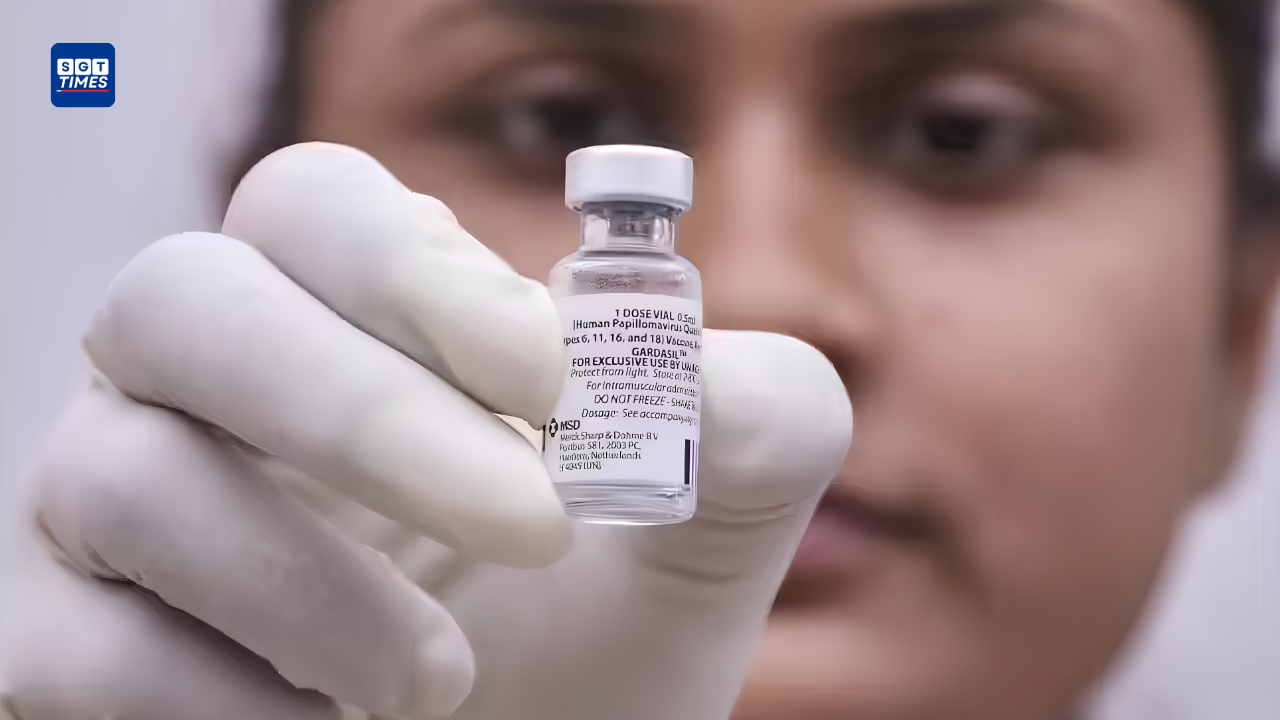
Dr. Virender Yadav, Director of the National Health Mission in Haryana, stated that the recent increase in daily vaccinations reflects improved coordination and stronger mobilization efforts in the field. He emphasized that the vaccine is safe and plays a crucial role in preventing cervical cancer.
Nearly all cervical cancer cases are linked to HPV infection. India reports about 79,000 new cases and 35,000 deaths each year, making timely vaccination a critical public health priority.