Delhi-NCR Cab And Auto Strike Begins Over Fare Hike Demand
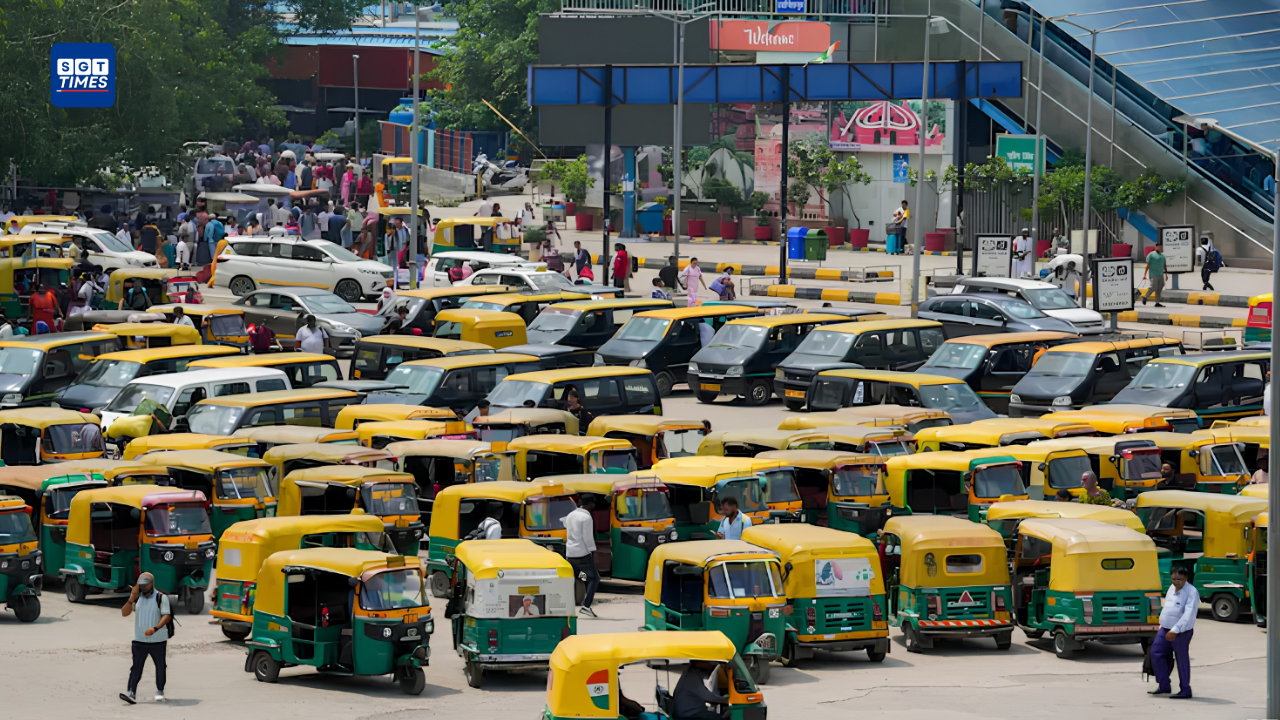
Commuters across Delhi-NCR may face travel disruptions over the next three days due to a major strike organized by several commercial vehicle unions from May 21 to May 23. This agitation supports a nationwide protest announced by the All India Motor Transport Congress (AIMTC).
The strike is backed by multiple transport bodies, including the Chaalak Shakti Union, which has raised concerns about rising fuel prices and the lack of fare revisions for taxis and auto-rickshaws in the region for nearly 15 years. Union representatives state that the increasing costs of petrol, diesel, and CNG have made it challenging for drivers to manage their operational expenses and sustain their livelihoods.
More than 68 transport unions across Delhi-NCR are reportedly participating in the strike. Protesters are also opposing the recent hike in Environment Compensation Charges (ECC) imposed on commercial vehicles entering Delhi. These revised charges, implemented from April 19, have significantly increased costs for transport operators.
Another significant issue raised by the transporters is the proposed ban on BS-4 and older commercial vehicles from entering Delhi-NCR starting November 1, 2026. The Commission for Air Quality Management (CAQM) introduced this proposal as part of pollution-control measures. However, transport unions argue that restrictions should be based on actual vehicle emissions rather than just registration categories.
Drivers and transport operators have also voiced concerns regarding rising vehicle maintenance costs, app commissions, loan EMIs, and other financial burdens. AIMTC has warned that while the current strike is symbolic, an indefinite protest could ensue if their demands are not addressed by the authorities.
Meanwhile, six auto-rickshaw unions have distanced themselves from the “Chakka Jam” call, stating they will not participate in the ongoing strike. Despite this, commuters in several areas of Delhi-NCR are expected to encounter delays, longer waiting times, and increased dependence on public transport during the protest period.