Supreme Court Rules Married Daughters Eligible For Compassionate Appointment
The Supreme Court of India has ruled that married daughters cannot be excluded from compassionate appointments, declaring such exclusion arbitrary, unjustified, and constitutionally untenable. This landmark judgment reinforces the principle of equality and ensures that married daughters receive equal consideration for government support offered after the death of a family member in service.
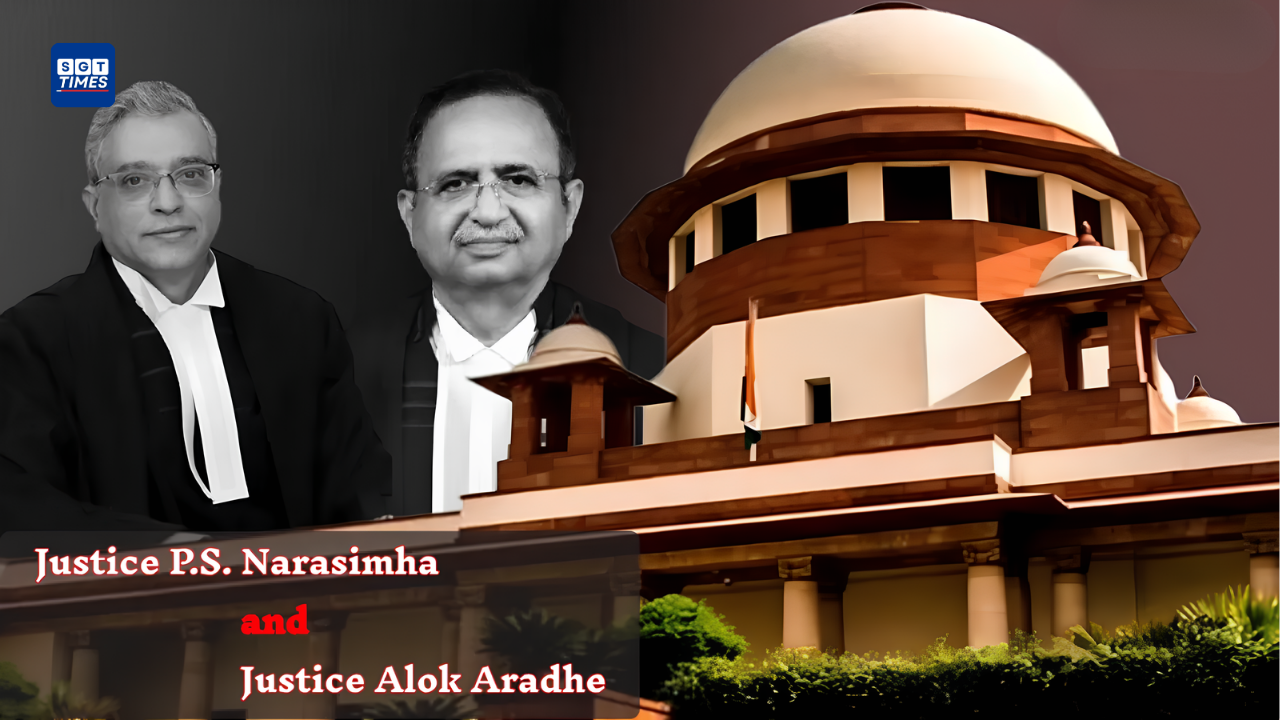
A bench comprising Justices P.S. Narasimha and Alok Aradhe delivered the judgment, setting aside an earlier order from the Allahabad High Court. The High Court had held that married daughters were not included within the definition of “family” for compassionate appointments.
The case involved an appeal from a married woman whose father, a fair price shop dealer, had passed away. She challenged a 2019 government order that excluded married daughters from being considered eligible dependents for compassionate appointment benefits. She argued that this exclusion violated constitutional principles of equality and fairness.
Compassionate appointment is a policy that provides a government job or allotment to a dependent family member when an employee dies in service or retires early for medical reasons. The purpose of this policy is to provide immediate financial assistance to families facing hardship after the loss of their primary earner.
During the hearing, the Supreme Court observed that the objective of compassionate appointments is to support families during difficult times, and excluding married daughters undermines that purpose. The court stated that marital status cannot be used as a reason to deny equal treatment and financial support.
The apex court further noted that omitting married daughters from the definition of family is discriminatory and inconsistent with constitutional values that guarantee equality before the law. This judgment is expected to significantly impact similar government policies and regulations across various states and departments.
Legal experts believe this decision strengthens women’s rights and promotes gender equality in public employment policies. The ruling has been welcomed by activists and citizens who see it as a progressive step towards eliminating discrimination based on marital status.
Overall, the judgment highlights the Supreme Court’s ongoing commitment to constitutional equality and equal opportunities for women in India.