Delhi Hospitals Told to Reserve Isolation Beds as H1N1 Cases Rise
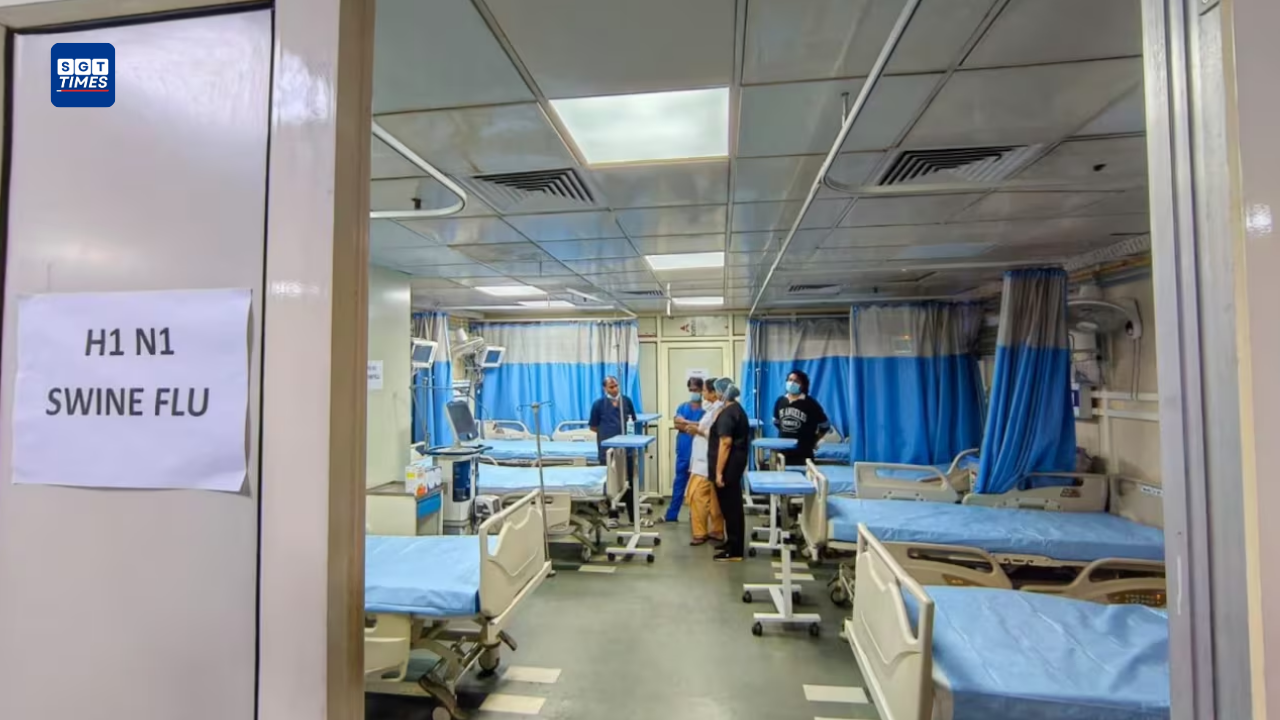
The Delhi government has intensified its preparedness for influenza and other respiratory illnesses as H1N1 cases continue to rise across the national capital. Government hospitals have been instructed to keep isolation beds available for patients with influenza and vector-borne diseases, with larger hospitals directed to maintain even more capacity.
This renewed set of preparedness measures was announced by the Delhi Health Department following a review meeting on H1N1, seasonal influenza, and related illnesses. The meeting was chaired by Delhi Health Minister Pankaj Kumar Singh and attended by Medical Directors and Medical Superintendents of various Delhi government hospitals.
The need for these measures is linked to a recent increase in infections. According to health officials, Delhi recorded 138 new H1N1 cases in the last 24 hours, bringing the cumulative number of reported H1N1 cases in the city during 2026 to 2,446. The total number of Influenza-A cases has now reached 3,177.
Under the new guidelines, government hospitals must maintain at least five isolation beds for patients who may require separation from others. Larger hospitals are required to have 10 or more isolation beds ready to ensure they can respond quickly if the number of patients needing specialized care increases.
Additionally, hospitals have been instructed to establish Flu Corners in emergency departments, with Senior Residents assigned to emergency duties. Patients exhibiting suspected influenza symptoms are to be assessed promptly, and swab samples should be collected and sent for testing whenever deemed clinically necessary by doctors.
The focus is on individuals experiencing influenza-like symptoms, with extra caution advised for vulnerable groups. Health officials have urged residents to seek medical advice promptly instead of relying on self-medication. People are also advised to follow basic precautions, such as maintaining hand hygiene, covering coughs and sneezes, using masks appropriately, and limiting unnecessary exposure to crowded places, especially when unwell.
This initiative pertains to Delhi’s government hospital network, and it is being implemented immediately as health authorities respond to the rising H1N1 and influenza cases.
Officials have urged residents to remain cautious without creating unnecessary panic. For Delhi, the immediate focus is on keeping hospitals prepared, identifying cases early, and ensuring that patients receive timely medical attention as the city continues to monitor the situation.