Elon Musk Defends H-1B Visa, Says US Thrives on Indian Talent
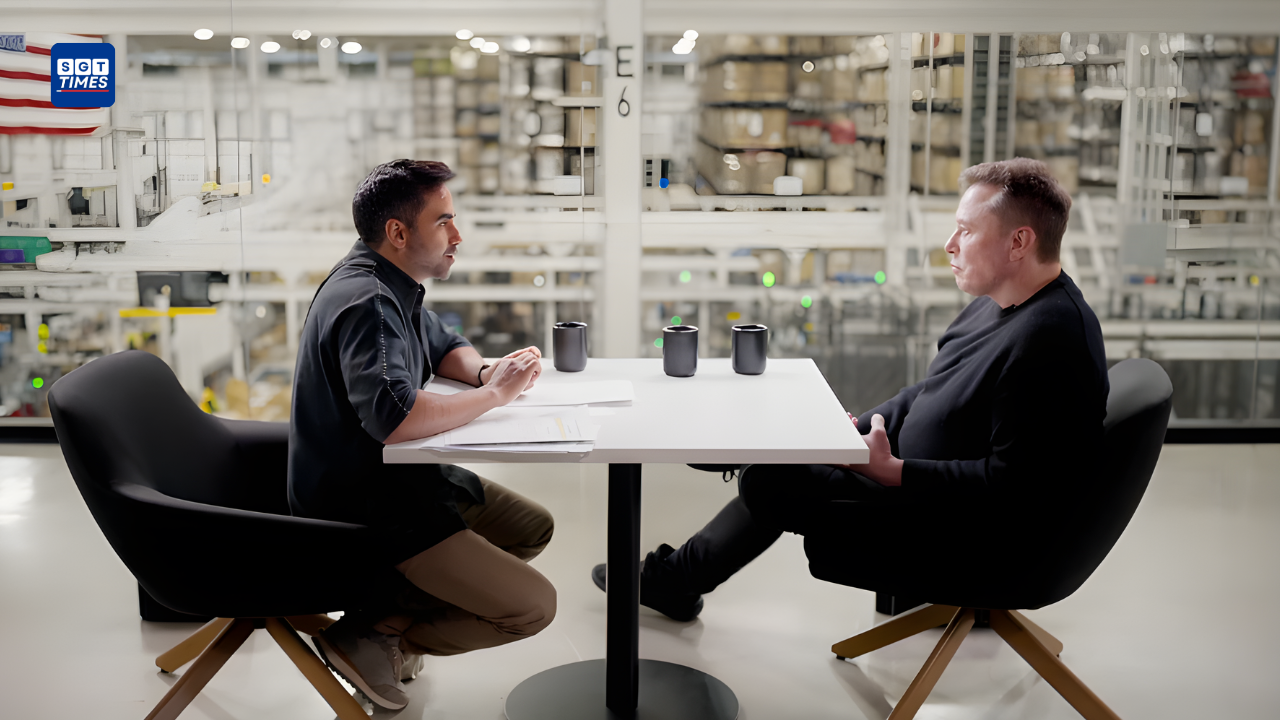
Tesla CEO Elon Musk has strongly defended the H-1B visa program, emphasizing that the United States has greatly benefited from the influx of high-skilled talent from India. His comments were made during a podcast conversation with Zerodha co-founder Nikhil Kamath, where they discussed global workforce dynamics and the future of technological innovation.
Musk stated that America needs skilled workers from India “now more than ever,” particularly in fields such as engineering, artificial intelligence, robotics, and advanced manufacturing. He explained that his companies—Tesla, SpaceX, and xAI—often struggle to fill specialized technical roles due to a persistent shortage of qualified talent in the U.S. “There’s always a scarcity of talented people,” he noted, calling Indian professionals a significant asset for American innovation.
While defending the H-1B program as a crucial pathway for global talent, Musk also acknowledged that the system is vulnerable to misuse. He criticized certain outsourcing firms for “gaming the system” by prioritizing volume-based hiring over genuine specialized roles. He urged policymakers to implement reforms that prevent exploitation without dismantling the entire program, stating, “Fix the misuse, don’t shut it down.”
His comments come at a sensitive time for the program, as the Trump administration has adopted a stricter regulatory approach. Although the government has recognized the need for skilled foreign workers, it has also tightened scrutiny around visa processing and employer compliance.
Established under the Immigration Act of 1990, the H-1B visa allows U.S. companies to hire foreign professionals in specialized occupations, including IT, engineering, healthcare, research, and finance. The program has long been a cornerstone of America’s tech industry, with Indian workers receiving the majority of H-1B visas issued each year.
Musk’s support underscores a broader concern in Silicon Valley, where rapid technological advancements have made high-skill immigration more critical than ever. Industry leaders argue that restricting these programs could hinder innovation, reduce competitiveness, and push companies to relocate operations abroad.
His remarks are expected to reignite debates around immigration reform, talent shortages, and the role of foreign workers in the U.S. tech ecosystem.