Eight-Year Delay in HPV Vaccine Rollout Raises Concerns
India has officially launched its Human Papillomavirus (HPV) vaccination program under the Universal Immunization Program after nearly eight years of delays. This delay raises concerns about policy decisions and the ongoing burden of cervical cancer in the country. Estimates suggest that nearly 616,000 Indian women may have died from cervical cancer between 2018 and 2026 while the program was pending.
HPV infection is the leading cause of cervical cancer, a disease that claims approximately 77,000 lives each year in India. In 2018, the National Technical Advisory Group on Immunization, the country’s top advisory body on vaccines, recommended including the HPV vaccine in the national immunization program. However, this proposal did not progress immediately due to concerns regarding vaccine costs and logistical challenges.
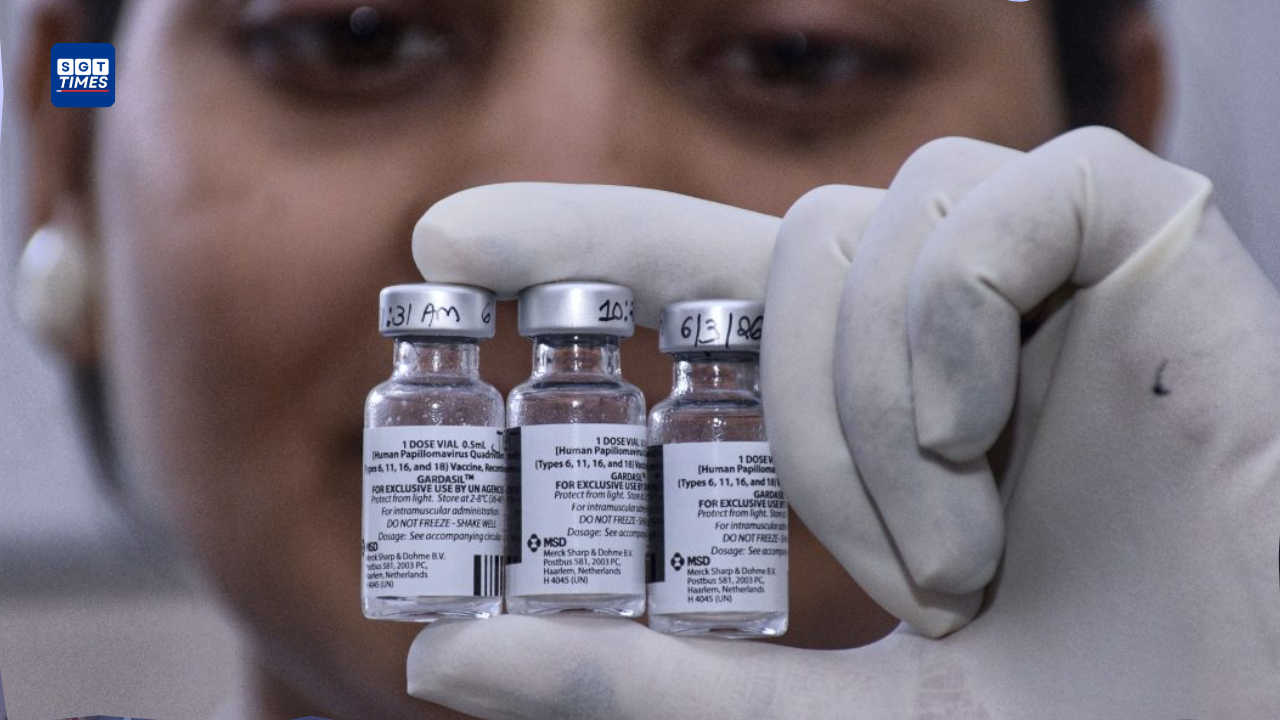
At the time, government officials believed that waiting for a domestically produced vaccine would significantly reduce expenses for the large-scale program. This expectation was met in 2022 when the Serum Institute of India launched Cervavac, the country’s indigenous HPV vaccine. Despite this development, the initial rollout of the program has begun using Gardasil, a vaccine produced by Merck & Co., with procurement support from Gavi, the Vaccine Alliance. Approximately 26 million doses have been secured for the program, leading to debate over why the locally developed vaccine has not yet been used in the national rollout.
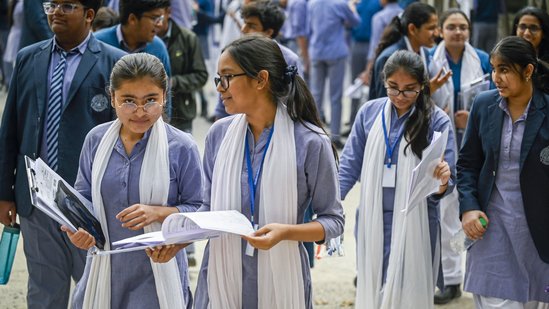
Officials involved in the decision argue that this move was a practical step to initiate vaccination efforts promptly. The program aims to administer a single dose to girls aged 14, with an estimated 11.2 million girls expected to receive the vaccine annually. With the current stock of vaccines, authorities believe the program can run for about three years.
Another significant aspect of the rollout is the adoption of a single-dose strategy. While most HPV vaccines are traditionally administered in two doses, the World Health Organization has indicated that a single-dose schedule can offer comparable protection for young girls. However, India’s Indian Council of Medical Research is still conducting studies to confirm the long-term effectiveness of this approach.
India’s HPV vaccination journey has also faced social and political resistance in the past. Concerns regarding vaccine safety and misconceptions about the virus—primarily transmitted through sexual contact—have created hesitancy regarding the vaccination of adolescent girls.
Public health experts assert that while the program’s launch is a vital step toward reducing cervical cancer, the long delay has already had serious consequences. As the nationwide vaccination campaign begins, experts emphasize the importance of awareness, screening, and timely immunization to prevent one of the most common and preventable cancers affecting women in India.
Source: The Wire