Air Pollution and Heat May Trigger Migraine Attacks, Study Finds
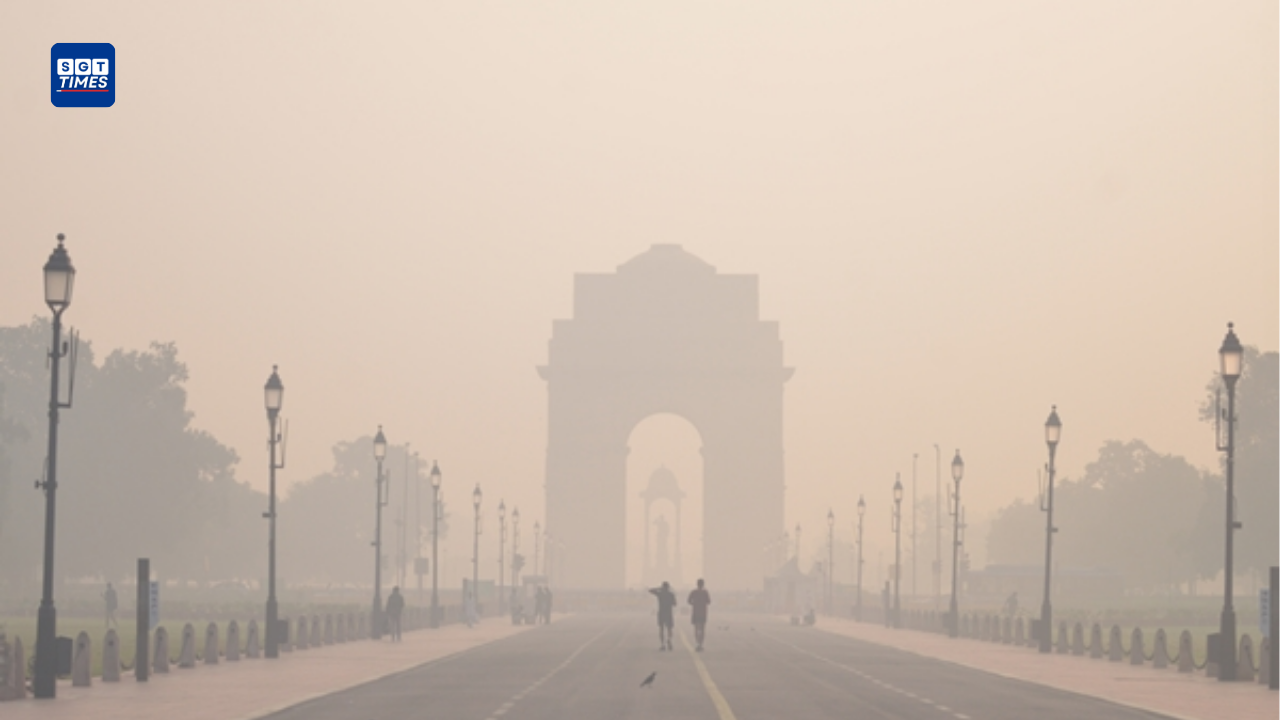
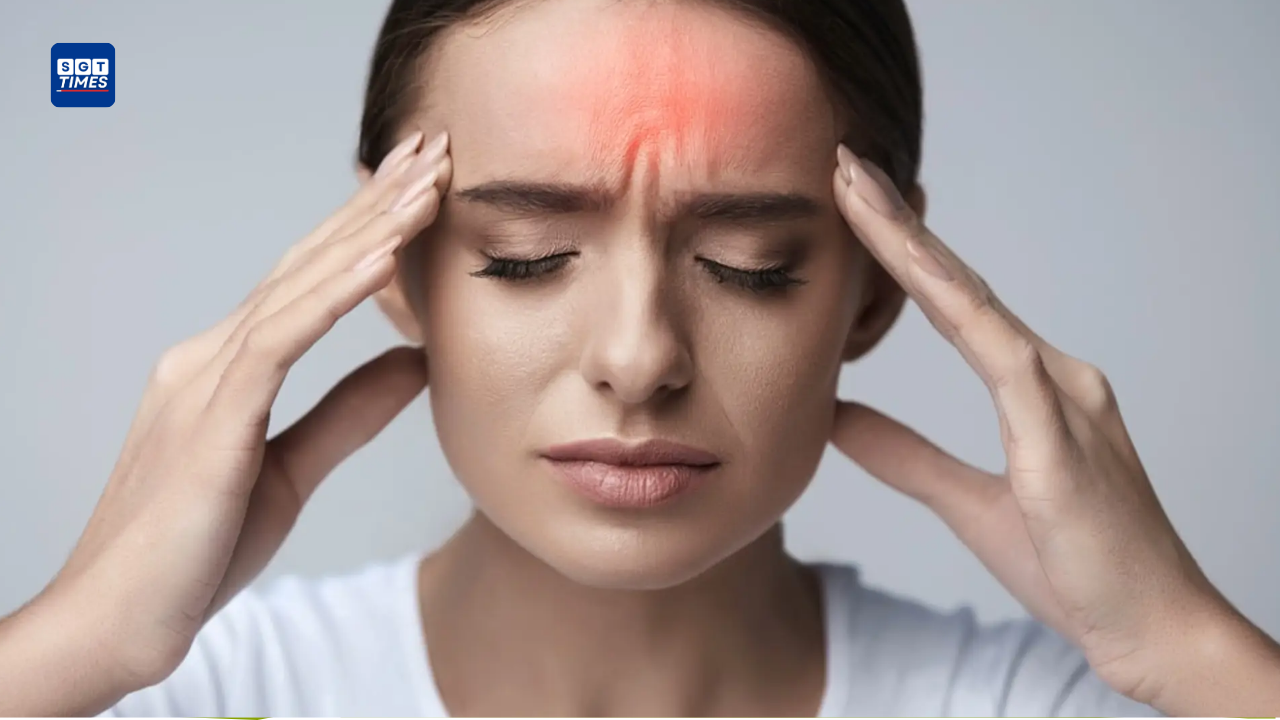
A recent study has found that environmental factors such as air pollution, heat, and humidity may significantly trigger migraine attacks and worsen chronic pain conditions. The findings, published in the journal Neurology, highlight the growing impact of climate and pollution on human health.
The research followed over 7,000 migraine patients in Israel for nearly a decade, examining their exposure to air pollution and changing weather conditions. Scientists observed that both short-term spikes and long-term exposure to pollutants like PM2.5, PM10, and nitrogen dioxide (NO₂) were linked to increased migraine activity. Patients exposed to higher pollution levels were more likely to require migraine medications.
The study also found that climate factors play a crucial role. High temperatures and low humidity were seen to amplify the effects of nitrogen dioxide, while cold and humid conditions intensified the impact of fine particulate matter. Experts believe that rising global temperatures and increasing pollution levels could further worsen migraine frequency in the future.
Medical professionals explain that heat triggers migraines through vasodilation — the widening of blood vessels in the brain — which can lead to pulsating headaches. Dehydration, common during hot weather, also contributes to joint pain, muscle cramps, and inflammation, making symptoms more severe for individuals with chronic conditions like arthritis or fibromyalgia.
Experts recommend simple preventive measures such as staying hydrated, avoiding outdoor exposure during peak heat, and maintaining stable indoor temperatures. Consuming water-rich foods and using cooling techniques like ice packs can also help manage symptoms.
As climate change continues to intensify heatwaves and pollution levels, doctors stress the importance of awareness and early prevention. Identifying high-risk periods and taking timely precautions can help reduce the severity and frequency of migraine attacks.
Disclaimer: This content, including advice, provides generic information only. It is in no way a substitute for a qualified medical opinion. Always consult a specialist or your own doctor for more information.
Source: NDTV