US Temporarily Eases Sanctions On Iranian Oil
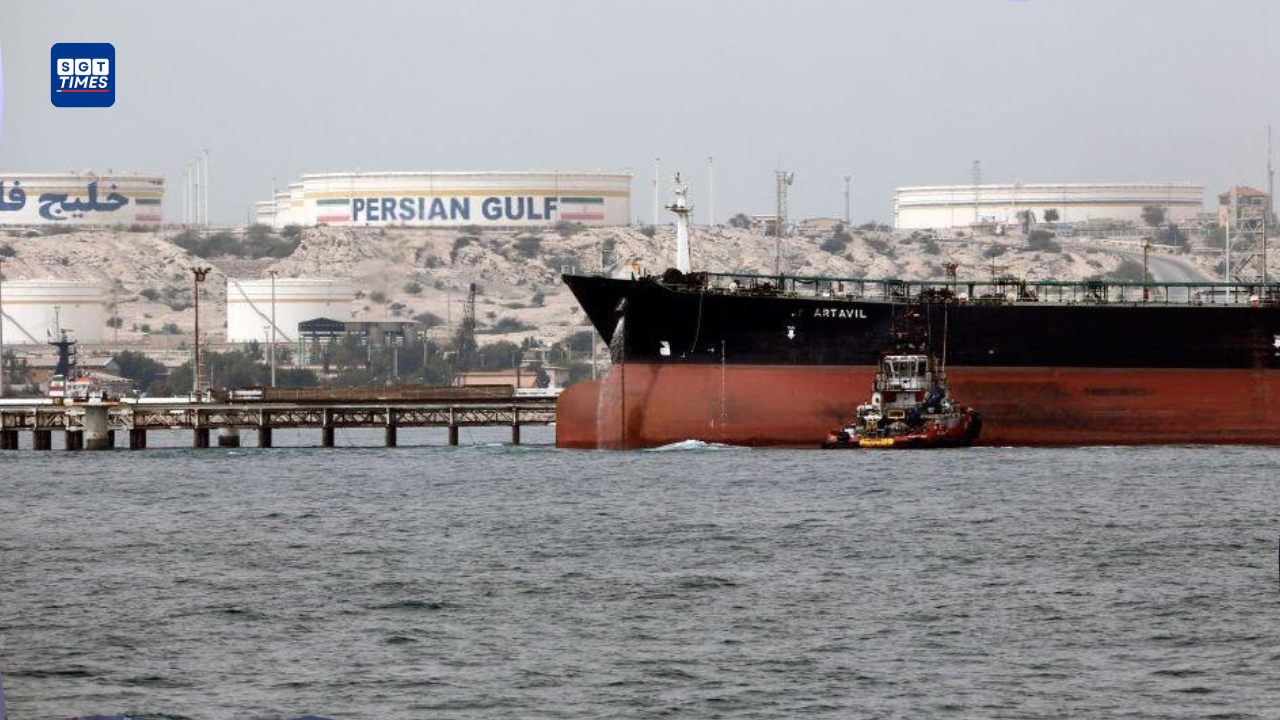
The United States has announced a temporary pause on sanctions imposed on Iranian oil that is currently stranded at sea. This decision aims to stabilize rising global energy prices amid significant geopolitical tensions in the Middle East, which have disrupted oil supply chains and increased fuel prices in international markets.
The US Treasury announced that the relaxation is limited and short-term. The exemption applies only to Iranian oil that is already in transit or stored offshore and does not allow for any new purchases or trade agreements involving Iranian crude. This temporary measure will remain in effect until April 19.
According to US officials, this move is expected to release nearly 140 million barrels of oil into the global market. This additional supply could help alleviate some of the pressure on oil prices, which have surged due to ongoing disruptions in the Strait of Hormuz, a crucial maritime route responsible for nearly one-fifth of the world’s oil exports.
The situation in the region has deteriorated following escalating tensions among the United States, Israel, and Iran. Reports indicate that Iran has effectively blocked the Strait of Hormuz and has targeted oil tankers trying to pass through the waterway. These developments have significantly reduced oil movement, leading to supply shortages and price spikes.
Brent crude prices recently exceeded $100 per barrel, reflecting the strain on global energy markets. In response, the US administration has been exploring various strategies to stabilize fuel costs, including releasing reserves and adjusting sanctions policies.
Officials have also pointed out that a large quantity of Iranian oil has been accumulating at sea, with some of it reportedly being stockpiled by countries like China at discounted rates. By allowing this oil to enter the market, the US aims to address supply constraints without making long-term policy changes regarding Iran.
Meanwhile, US leaders have acknowledged that consumers may continue to face high fuel prices in the short term. However, they are confident that the situation will improve as additional supply reaches global markets and stabilizes pricing trends.
Energy experts believe that while this move may provide temporary relief, long-term stability will depend on geopolitical developments in the region and the reopening of key trade routes such as the Strait of Hormuz.
Overall, the decision reflects a strategic balancing act by the United States—maintaining pressure on Iran while also addressing the immediate concerns of rising global energy prices.