Government Eases Kerosene Rules Amid LPG Supply Pressure
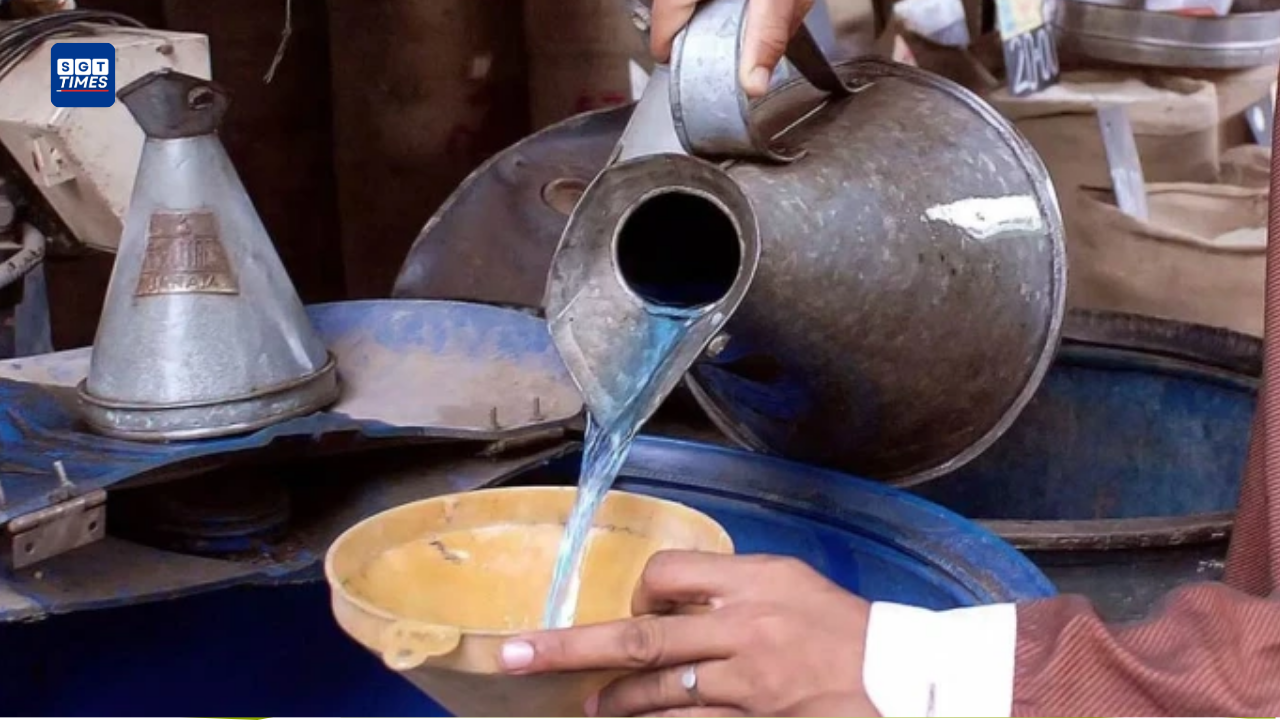
In response to growing concerns about LPG shortages, the government has temporarily relaxed petroleum safety and licensing regulations to ensure a continuous supply of fuel to households. This adjustment allows public sector oil companies to sell subsidized kerosene through up to two designated petrol pumps per district across 21 states and Union Territories.
Under the new rules, each authorized outlet can store up to 5,000 liters of kerosene. Exemptions have also been granted to dealers and transporters to facilitate distribution and expedite supply. This 60-day measure aims to address immediate cooking and lighting needs, particularly in vulnerable and rural areas, as LPG availability has been affected by disruptions linked to the crisis in West Asia.
The Ministry of Petroleum and Natural Gas has allocated an additional 48,000 kiloliters of kerosene nationwide. However, responses from states have varied. While 17 states and Union Territories have issued allocation orders, regions such as Himachal Pradesh and Ladakh have chosen to opt out, citing reduced dependence on kerosene and a commitment to earlier phase-out strategies.
Officials in some states have expressed concerns about the limited number of distribution points and the potential for demand surges that could lead to shortages. Despite these challenges, the policy is expected to provide immediate relief by offering an alternative fuel source, especially for households struggling to access LPG.
Meanwhile, relief is anticipated in the coming days as two LPG carriers—BW TYR and BW ELM—transporting approximately 94,000 metric tons of LPG, have successfully passed through the Gulf and are set to arrive in India shortly.
Authorities have confirmed that refineries are operating at high capacity and retail outlets continue to function normally, despite some instances of panic buying. These incoming shipments are expected to stabilize the domestic LPG supply and ease the pressure caused by disruptions in the Strait of Hormuz.
This situation highlights India’s evolving energy strategy, which aims to balance immediate relief measures with long-term diversification efforts.