India May Test ₹10 and ₹20 Polymer Banknotes
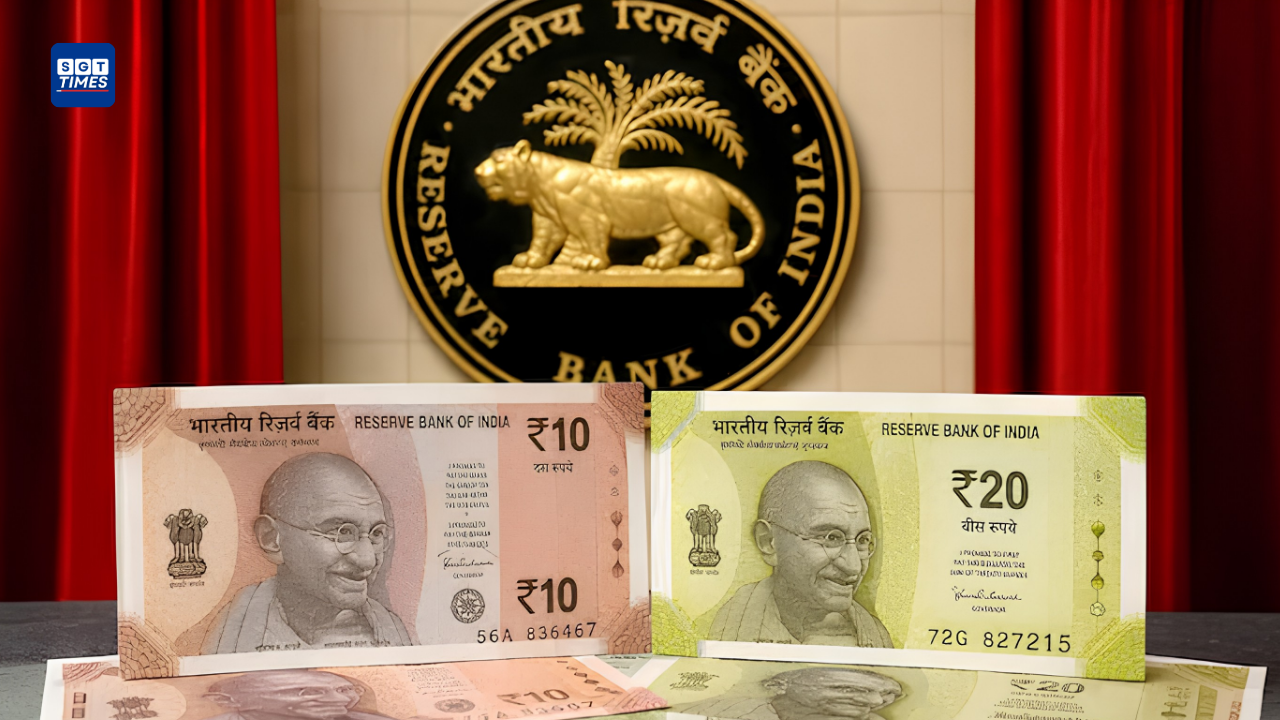
India may soon start testing plastic currency notes, as the Reserve Bank of India (RBI) prepares a pilot project for polymer banknotes. The trial is expected to focus on ₹10 and ₹20 denominations, although the RBI has not yet officially confirmed which denominations will be included. If the field trials are successful, a wider rollout covering additional denominations could potentially begin as early as 2027.
This initiative comes as the RBI explores whether polymer banknotes offer advantages over traditional paper currency. Bharatiya Reserve Bank Note Mudran Private Limited (BRBNMPL), the RBI’s currency-printing subsidiary, has invited global manufacturers to supply polymer substrate sheets with advanced security features. The tender process is seen as a crucial first step toward testing the feasibility of plastic banknotes in India.
The proposed procurement includes 68,000 reams of Biaxially Oriented Polypropylene-based polymer substrate, evenly divided between the two denominations. Each ream contains 500 sheets and is expected to incorporate features such as a clear window, metallic numerals, magnetic pseudo threads, shadow images, and iridescent patterns. These enhancements aim to improve both durability and security.
The RBI has also established strict conditions for companies interested in supplying the material. Bidders must meet specific experience and supply requirements, while companies from countries sharing a land border with India must comply with additional registration conditions. The tender also includes restrictions on sourcing, personnel, and operations related to China and Pakistan.
Polymer banknotes are already in use in more than 50 countries, with Australia being one of the first to introduce them in 1988. Compared to traditional paper notes, polymer currency is generally considered more durable, more moisture-resistant, and harder to counterfeit. Its longer lifespan may also reduce the frequency with which damaged notes need to be replaced.
The RBI’s final decision will depend on the outcomes of the pilot project. Governor Sanjay Malhotra has previously indicated that the central bank is assessing the benefits and feasibility of polymer notes before making a final decision.
For now, the proposed trial signifies a potential shift in the future of Indian currency. If the testing proves successful, the familiar paper notes in people’s wallets could gradually be replaced by a more durable and security-focused plastic alternative.