Wangchuk Ends 26-Day Fast, Protest Continues
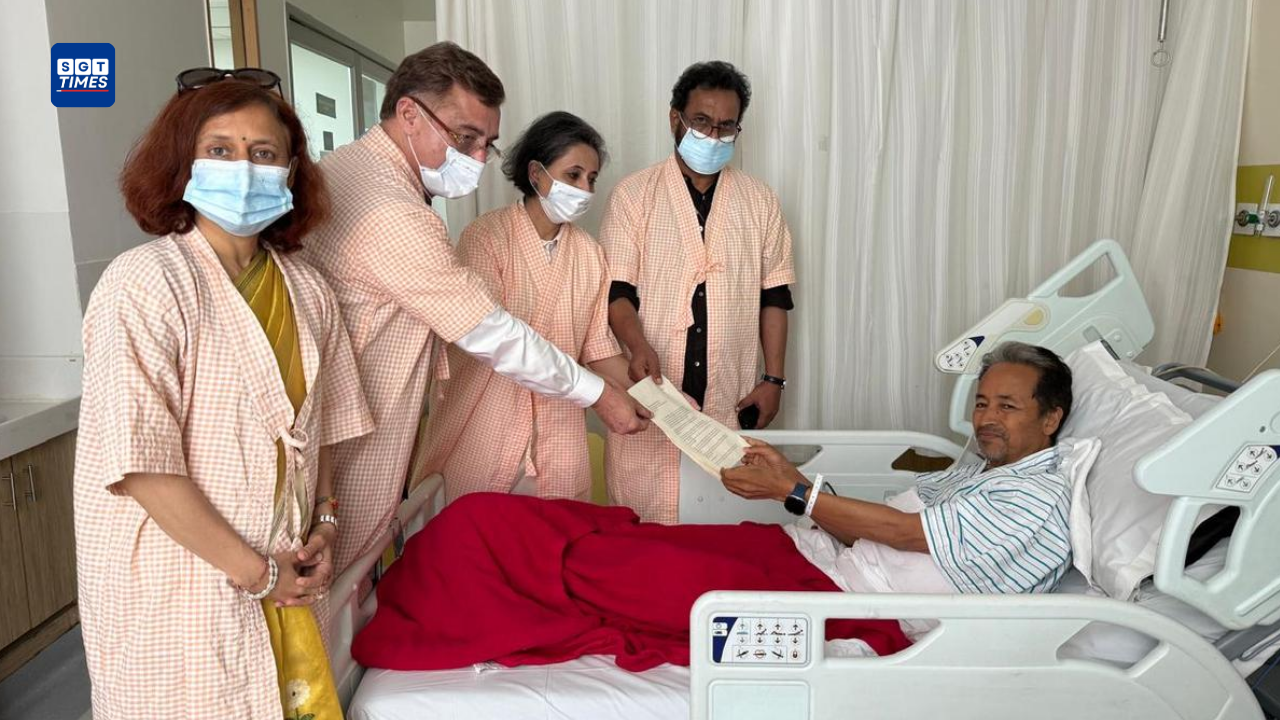
Wangchuk has ended his 26-day fast, bringing relief to supporters and those associated with the protest movement. However, the end of the fast does not mean the protest itself is over. According to CJP founder Dipke, Wangchuk remains determined to continue the movement until Pradhan resigns.
The 26-day hunger strike had become a major part of the ongoing protest, drawing attention to the demands being raised by Wangchuk and his supporters. After spending more than three weeks without food, the decision to break the fast was seen as an important step for his health and well-being.
Dipke expressed relief following the decision, but also made it clear that the larger issue remains unresolved. The protest, therefore, is expected to continue, with the demand for Pradhan’s resignation remaining at the centre of the movement.
Wangchuk’s decision to end the fast comes after 26 days of protest. The move was made amid growing concern over the impact of the prolonged hunger strike on his health. While the fast has now ended, the campaign connected to it is continuing.
The protest is being driven by the demand for Pradhan to step down. Supporters believe that the resignation is necessary to address the concerns that have led to the ongoing movement. For them, ending the hunger strike is only a change in the form of protest, not a withdrawal from their core demand.
The development has also highlighted the difficult balance between maintaining a sustained protest and protecting the health of those leading it. With Wangchuk no longer on hunger strike, attention is now likely to shift towards the next phase of the movement.
For now, Dipke has described the end of the fast as a relief, while also reaffirming that the protest will continue. The central question remains whether the ongoing pressure will lead to Pradhan’s resignation or bring the two sides towards a new political resolution.