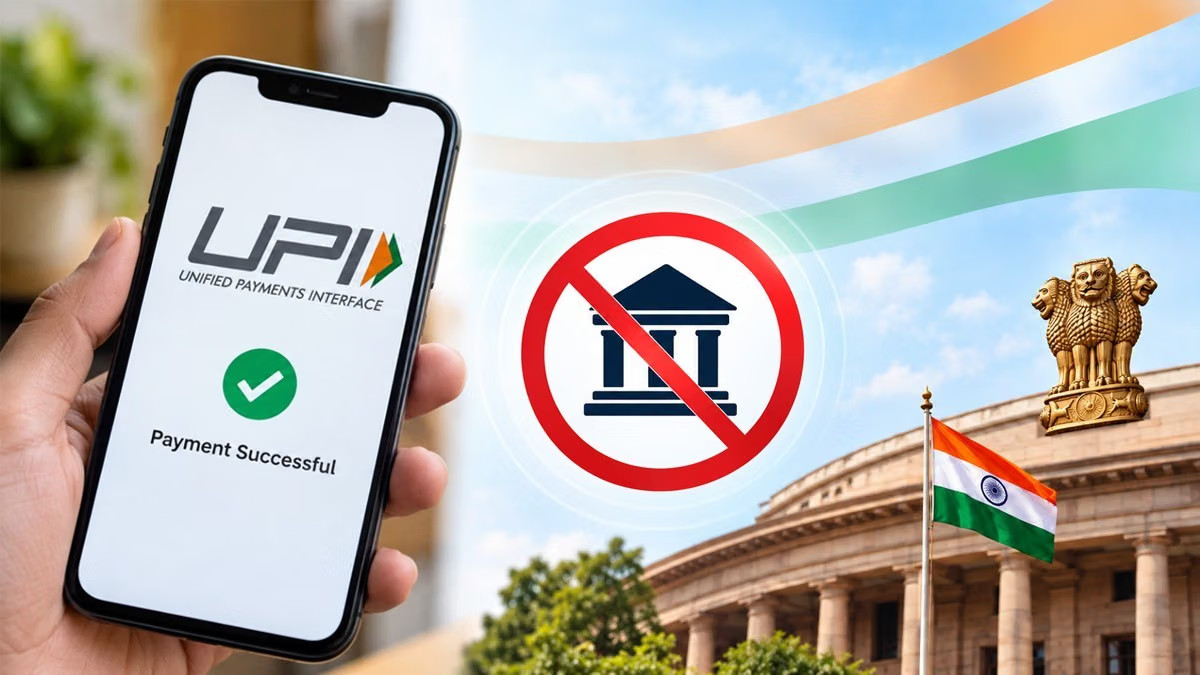
Government Bans Charges on UPI, RuPay Payments Up to ₹2,000
The Central Government has formally prohibited banks and payment system providers from imposing charges on Unified Payments Interface (UPI) transactions of up to ₹2,000. The decision also covers payments made through RuPay-powered debit cards.
The Finance Ministry issued a gazette notification under the Payment and Settlement Systems Act, 2007, specifying UPI transactions up to ₹2,000 and RuPay-powered debit cards as protected electronic modes of payment. According to the notification, no bank or system provider can impose a direct or indirect charge on a person making or receiving a payment through these modes.
The move is aimed at protecting consumers from transaction fees on small-value digital payments and strengthening the use of cashless payment systems across the country. UPI has become an important part of everyday financial activity in India, with consumers using it for purchases at shops, payments to service providers, bill settlements and person-to-person transfers.
The government’s decision is expected to benefit customers and small merchants who rely on low-value digital transactions. It also provides regulatory clarity amid discussions about the future structure of charges in the digital payments ecosystem.
The notification does not mean that every possible payment-related service is automatically covered under the ₹2,000 threshold. Consumers should continue to check their bank or payment app for information about any separately applicable service fees.
The government has repeatedly stated that consumers should not be required to pay transaction charges for ordinary UPI payments. The latest notification gives statutory backing to the protection for eligible UPI transactions and RuPay debit card payments.