India Moves To Toughen Penalties For Examination Paper Leaks
India is taking steps to impose tougher penalties for examination paper leaks following the approval of new legislation by the country’s Parliament aimed at strengthening the examination system. The bill was passed by the upper house through a voice vote on Thursday, after clearing the lower house the previous day. It proposes to double the maximum prison sentence for individuals involved in paper leaks to 10 years and to increase the maximum fine to over $1 million. The legislation now requires the President’s approval before it can become law.
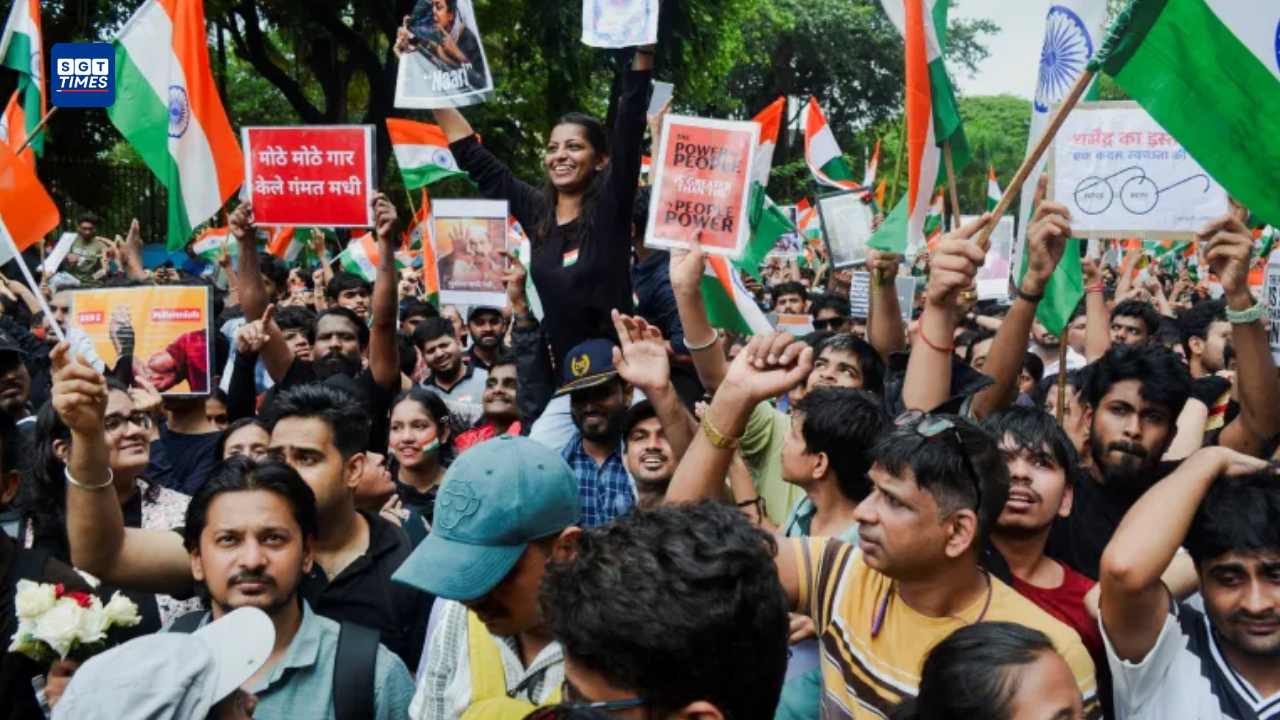
This move comes in response to weeks of student-led protests across the country regarding leaked examination papers and other irregularities. The protests were fueled by the Cockroach Janta Party (CJP) movement and gained support from students who are demanding stronger reforms and greater accountability. The situation has also posed a significant political challenge for the government, culminating in the resignation of Education Minister Dharmendra Pradhan amidst the protests.
In a statement made in the Rajya Sabha, junior minister Jitendra Singh emphasized that the integrity of examinations affects not only students but also their families and the wider society. The government has argued that stricter penalties are necessary because exam leaks can have serious consequences for the futures of students who spend years preparing for competitive exams.
The issue of examination paper leaks has been an ongoing concern in India, with allegations reported in both national and state-level examinations, despite previously enacted measures to prevent malpractice. Therefore, the latest legislation aims to impose more serious consequences for individuals involved in leaking papers and undermining the examination process.
The protests escalated into public demonstrations, with reports indicating that a demonstration in New Delhi on July 20 turned violent as large crowds attempted to march towards Parliament. Police were forced to use tear gas and batons to disperse the protesters, resulting in clashes and several arrests.
Additionally, the country’s federal investigative agency has reportedly charged 13 individuals in connection with alleged irregularities related to the leak of a national medical college entrance examination earlier this year. This controversy has intensified public pressure for action.
With Parliament approving the bill, the government is now adopting a more robust legal approach to exam leaks. The critical question remains whether tougher penalties, along with improved examination security and accountability, can restore students’ confidence in a system that directly impacts their education and careers.