Nepal-China Border Floods Leave 165 Dead, Hundreds Missing
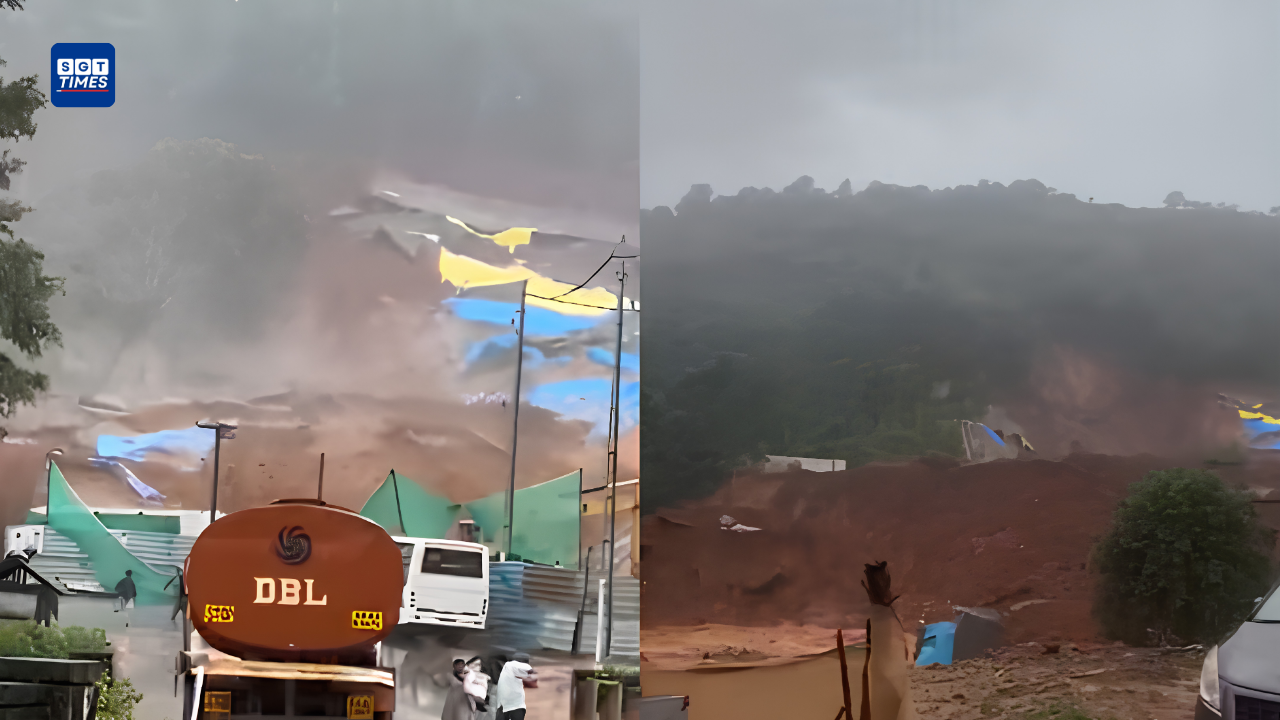
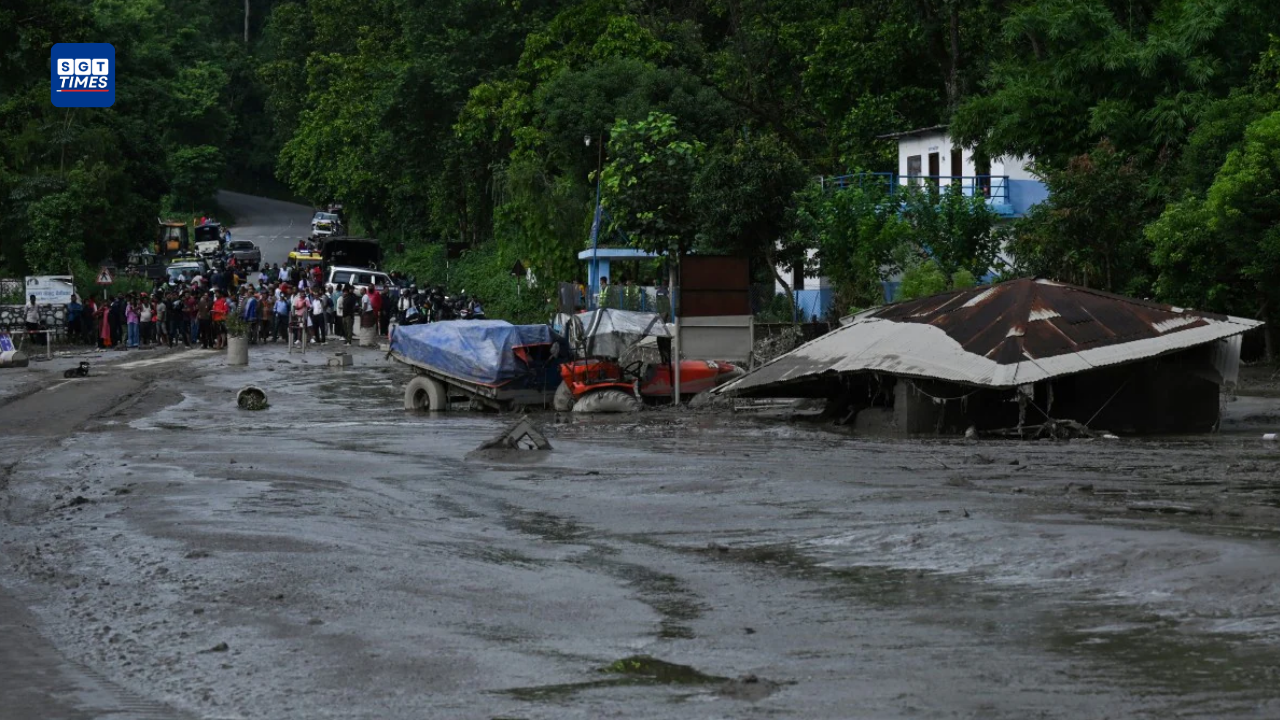
A devastating flash flood and landslide along the Nepal-China border have resulted in the deaths of at least 165 people, while hundreds remain missing as rescue teams continue to search through mud, debris, and damaged settlements. The disaster struck the Himalayan border region on Wednesday, August 26, impacting areas in both Nepal and Tibet, leaving entire villages and market areas severely damaged.
The flood was caused by powerful torrents of water, rock, and mud that swept through communities along the Lhende, Bhote Koshi, and Trishuli river systems. On the Nepal side, at least 162 people have been reported dead, while China has reported three deaths in the Gyirong area of Tibet. Hundreds of people are still unaccounted for across both sides of the border.
The affected areas primarily include Nepal’s Rasuwa and neighboring districts, along with Tibet’s Gyirong County near the Nepal-China border. This region is also a vital route for trekkers and pilgrims traveling to Mount Kailash and the Kailash Mansarovar area, making the situation particularly distressing for families awaiting news of missing travelers. Indian nationals are among those reported missing, as well as citizens from several other countries.
The cause of the disaster is becoming clearer. The U.S. Geological Survey indicated that what was initially believed to be an earthquake was actually linked to a glacial collapse. An ice-and-rock avalanche appears to have entered the river system, blocking the flow and subsequently releasing a sudden, destructive surge downstream. Scientists have warned that unstable conditions in the region could pose the risk of further floods.
Thousands of rescue workers, soldiers, police personnel, and emergency teams are currently engaged in efforts across the affected areas. Helicopters have been deployed to evacuate survivors, while rescuers on the ground are navigating through thick layers of mud in search of individuals who may still be trapped. Communication and transportation have been severely impaired by the destruction of roads and bridges.
The timing of the disaster is particularly significant, as it occurs during South Asia’s monsoon season, when heavy rainfall already heightens the risk of floods and landslides. Experts warn that the suspected glacial collapse reflects broader concerns for the Himalayan region, where rising temperatures are increasing pressure on vulnerable mountain and glacier systems.
For now, the primary focus remains on finding survivors, accounting for those still missing, and preventing another disaster. With entire communities affected, the coming days are expected to be critical for rescue and relief operations.