
US Launches Military Strikes On Iran Following Strait Of Hormuz Attack
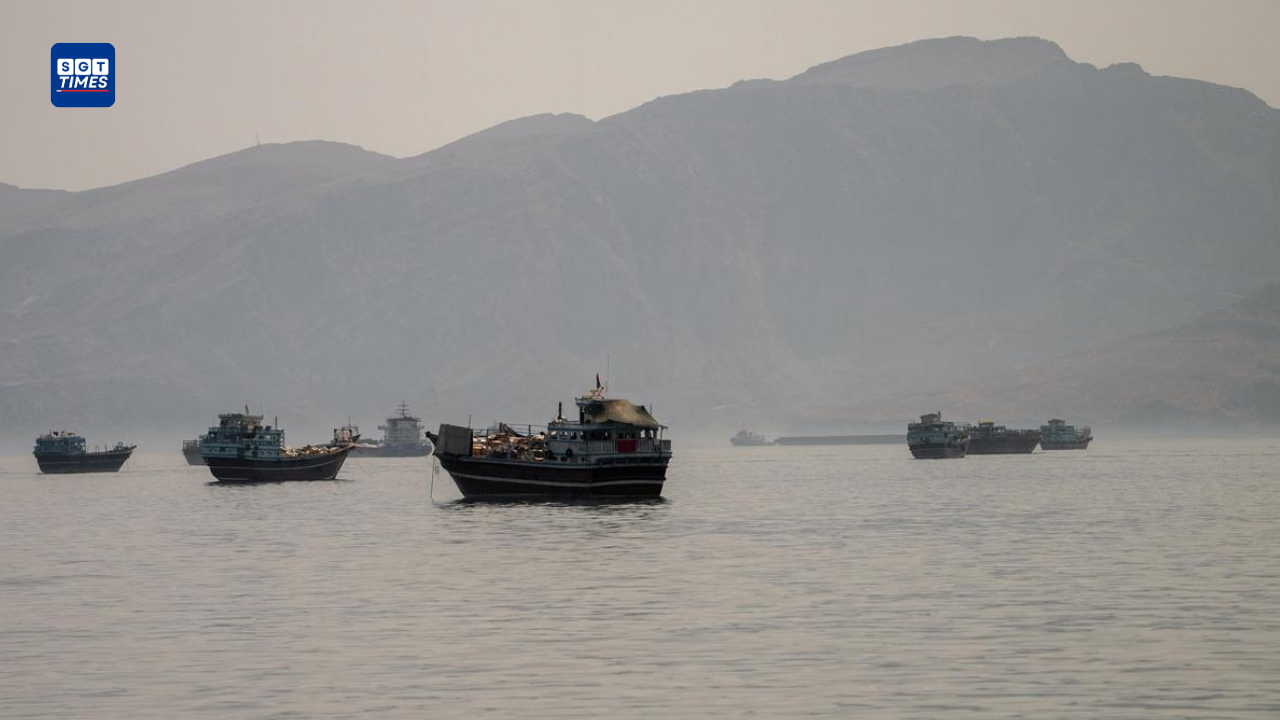
Tensions in the Middle East have escalated once again following overnight military strikes by the United States on Iranian targets. This action came in response to a drone attack on a commercial cargo ship in the Strait of Hormuz, a critical waterway for global maritime trade. The situation has raised significant concerns about regional stability and the safety of one of the world’s busiest shipping routes.
According to the U.S. Central Command (CENTCOM), American forces targeted multiple missile launch sites, drone facilities, and coastal radar installations across Iran. These strikes were a direct response to the recent drone attack on a cargo vessel in the strategically important Strait of Hormuz, through which a large portion of the world’s oil and commercial shipments pass daily.
The military operation followed comments from U.S. President Donald Trump, who hinted at potential consequences for what he described as Iran’s violation of a ceasefire agreement. Speaking to reporters at the White House, Trump indicated that Washington would take firm action against any threats to regional peace or international shipping.
The situation intensified further when the British military confirmed that a container ship had been struck by a projectile off the coast of Oman, just hours after Iran reportedly warned vessels against using the route. Fortunately, no injuries were reported, but the incident heightened fears regarding the safety of commercial shipping in the area.
In the aftermath, the International Maritime Organization (IMO) announced a temporary suspension of evacuation operations for stranded ships in the affected region. Officials stated that rescue missions would remain on hold until there are adequate guarantees that commercial vessels can operate safely without facing further attacks.
The Strait of Hormuz is one of the world’s most vital shipping corridors, responsible for a significant share of global crude oil exports and international trade. Any disruption in this region could greatly impact global energy markets, increase shipping costs, and disrupt international supply chains.
As diplomatic efforts continue, world leaders are closely monitoring the rapidly evolving situation. Analysts believe this latest exchange of military actions could further strain relations between Washington and Tehran and increase uncertainty across the Gulf region. With commercial vessels already facing heightened risks, the international community is urging restraint and renewed diplomatic dialogue to prevent the conflict from escalating further.

