Delhi Cabinet Approves New EV Policy for Zero-Emission Transport by 2030
Delhi has taken a significant step towards cleaner and greener transportation with the approval of a new Electric Vehicle (EV) Policy by the state cabinet. This policy aims to transform the national capital into a zero-emission city by March 31, 2030. Implemented in phases over the next four years, starting July 1, the policy focuses on encouraging residents to switch from conventional fuel-powered vehicles to electric alternatives.
One of the key features of the policy is the financial relief offered to buyers. Electric cars priced up to ₹30 lakh will now be exempt from both registration fees and road taxes, making EV ownership more accessible for many residents. Additionally, the government has announced an incentive of ₹1 lakh for those who purchase a new electric vehicle after scrapping their old one.
The policy also introduces a significant change for two-wheelers. Beginning in April 2028, only electric two-wheelers will be eligible for new registrations in Delhi. The government believes this measure will greatly reduce vehicular emissions since two-wheelers represent a large portion of the vehicles on the city’s roads.
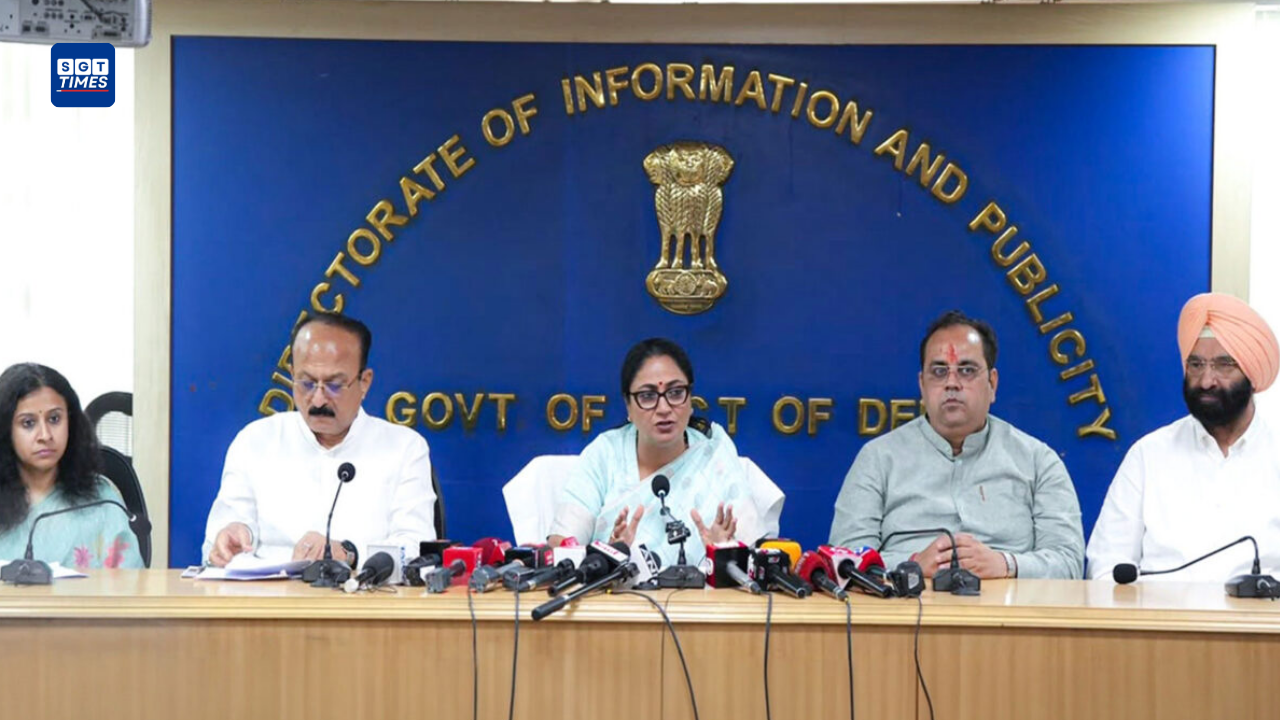
At a press conference in New Delhi, Chief Minister Rekha Gupta stated that the policy is designed with a clear objective: to make Delhi cleaner and healthier by promoting zero-emission vehicles. She explained that the government has devised a phased implementation plan to ensure a smooth transition while strengthening the city’s EV ecosystem.
According to the Chief Minister, nearly ₹8,000 crore will be invested in developing charging stations, EV-related infrastructure, and providing ongoing tax benefits. Overall, the policy is expected to deliver a public benefit of around ₹15,000 crore, making it one of Delhi’s largest green mobility initiatives.
The government hopes that the combination of financial incentives, improved infrastructure, and long-term planning will encourage more people to adopt electric vehicles. If implemented successfully, this policy could play a major role in reducing pollution levels, improving air quality, and serving as a model for sustainable urban transport across the country.
With this decision, Delhi has demonstrated its commitment to building a cleaner, environmentally friendly future while making electric mobility a practical choice for everyday commuters.