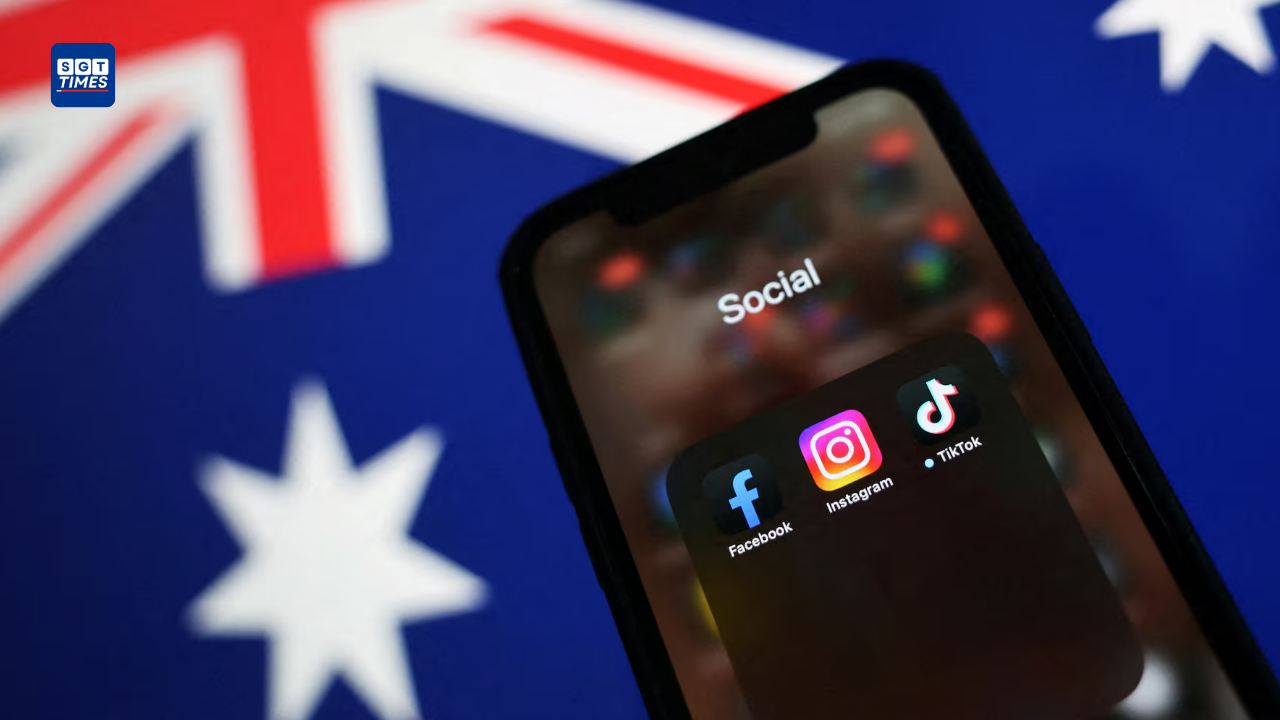
Australia Moves To Strengthen Under-16 Social Media Ban
Australia is taking steps to strengthen its landmark social media laws following new evidence that thousands of children under the age of 16 are still using online platforms, despite a nationwide ban. Prime Minister Anthony Albanese has confirmed that enhancing the legislation is now a top priority for the government, emphasizing the need to better protect young users in the digital age.
Australia was the first country to implement a nationwide law that restricts children under 16 from holding accounts on popular platforms such as Facebook, Instagram, YouTube, TikTok, and Snapchat. This law came into effect on December 10 of last year and was widely regarded as a significant move toward improving children’s online safety. However, recent studies and official data have shown that these restrictions have not been as effective as anticipated.
According to Australia’s eSafety Commissioner, a substantial number of underage children continue to access social media platforms despite the ban. Government data released earlier this year indicated that nearly seven out of ten underage children still had active accounts on major platforms. Additionally, a study published in the British Medical Journal revealed that approximately 85 percent of Australian teenagers aged 12 to 17 were using platforms intended to be restricted.
In light of these findings, Prime Minister Albanese stated that the government is reviewing whether existing laws are sufficiently strong and if regulators possess adequate authority to enforce them. He also mentioned the proposed Digital Duty of Care legislation, which would require technology companies to take greater responsibility for harmful content, algorithms, and the safety of younger users.
The eSafety Commissioner has previously warned that platforms like Facebook, Instagram, TikTok, YouTube, and Snapchat could face fines of up to 49.5 million Australian dollars if they fail to take reasonable measures to remove accounts belonging to underage users. However, officials believe that stronger legal authority may be necessary to ensure compliance.
Australia’s actions are gaining global attention, as countries such as the United Kingdom, Canada, Brazil, Indonesia, France, and South Korea are also considering similar restrictions on children’s access to social media. As concerns about screen time, online bullying, and harmful digital content continue to rise, Australia’s forthcoming measures may influence how other nations regulate social media and protect young users in the coming years.