Government Clarifies Passport Is Not Legal Proof Of Citizenship
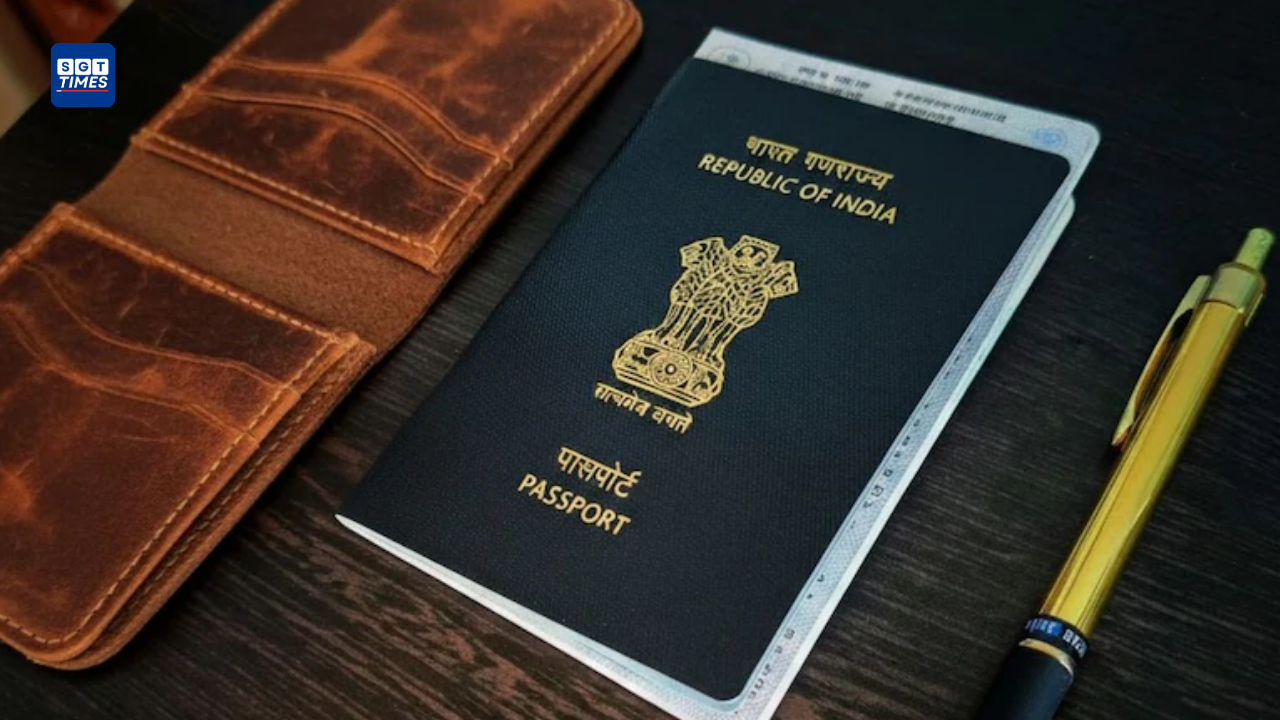
A recent statement from the Central Government has ignited a significant debate across the country after it clarified that an Indian passport alone does not constitute legal proof of citizenship. This clarification was prompted by growing online discussions, in which many individuals questioned the legal status of one of India’s most widely recognized identity documents.
The controversy began when a senior official from the Ministry of External Affairs referred to the passport as “strictly a travel document.” According to the government, while the passport allows an individual to travel internationally and identifies the holder as an Indian national for travel purposes, it should not be considered conclusive legal evidence of Indian citizenship. Officials further noted that possessing a passport does not automatically qualify a person for government welfare schemes or other benefits reserved for citizens.
This clarification surprised many, as passports are issued only after applicants complete several verification processes, including document scrutiny and police verification. For years, many Indians have viewed the passport as one of the most reliable identity documents issued by the Government of India.
The government’s stance quickly elicited reactions on social media. Several users questioned how a document, issued after extensive verification, could not serve as proof of citizenship. Award-winning lyricist Javed Akhtar also weighed in, calling the government’s position “absurd” and asking why passports are issued if they do not legally establish that the holder is an Indian citizen.
The discussion also revived scrutiny regarding other identity documents like Aadhaar cards and voter ID cards. These documents, too, have faced legal challenges in various contexts and are not universally accepted as standalone proof of citizenship under Indian law.
Legally, Indian citizenship is determined under the Citizenship Act of 1955 and related rules. Depending on the situation, authorities may rely on multiple documents and legal records rather than a single identity card or travel document to establish citizenship.
As the debate continues, the government’s clarification has emphasized the distinction between documents used for identification and travel, and those considered legally valid for determining citizenship. The issue has once again brought public attention to how citizenship is defined and verified in India, with many hoping for greater clarity on this matter in the future.