Delhi Master Plan 2047 Maps Out Housing And Infrastructure Growth
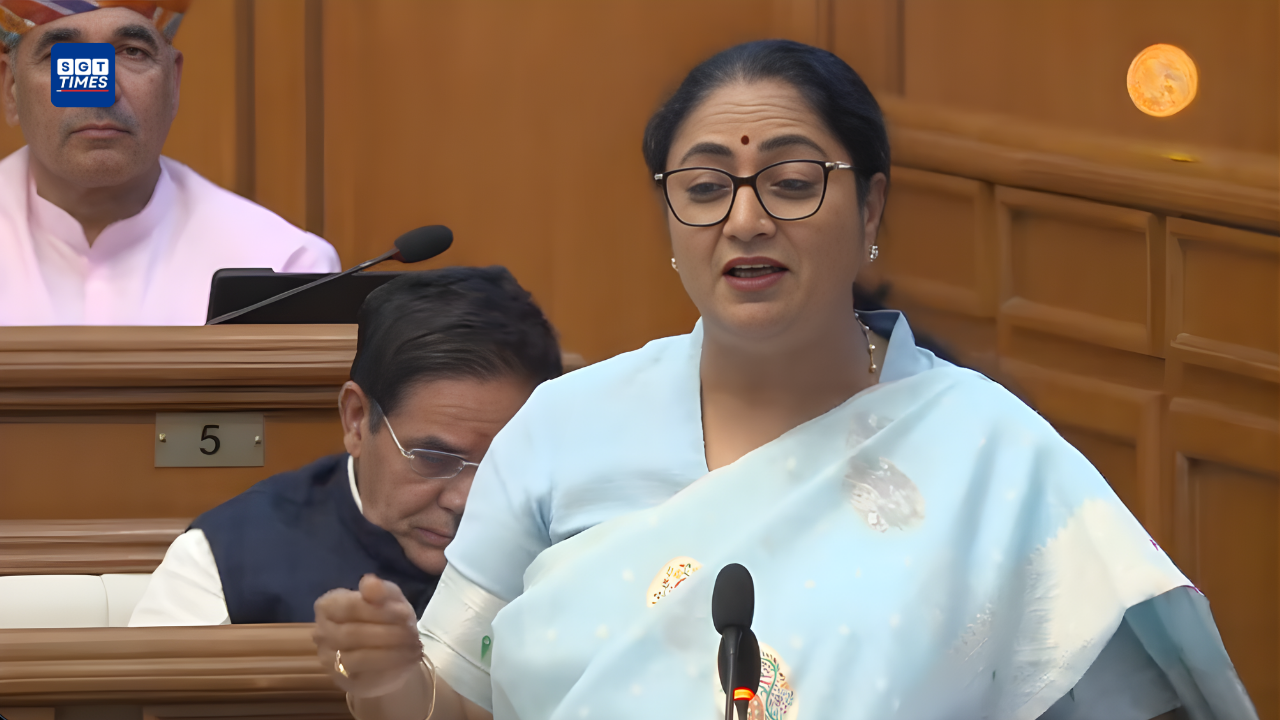
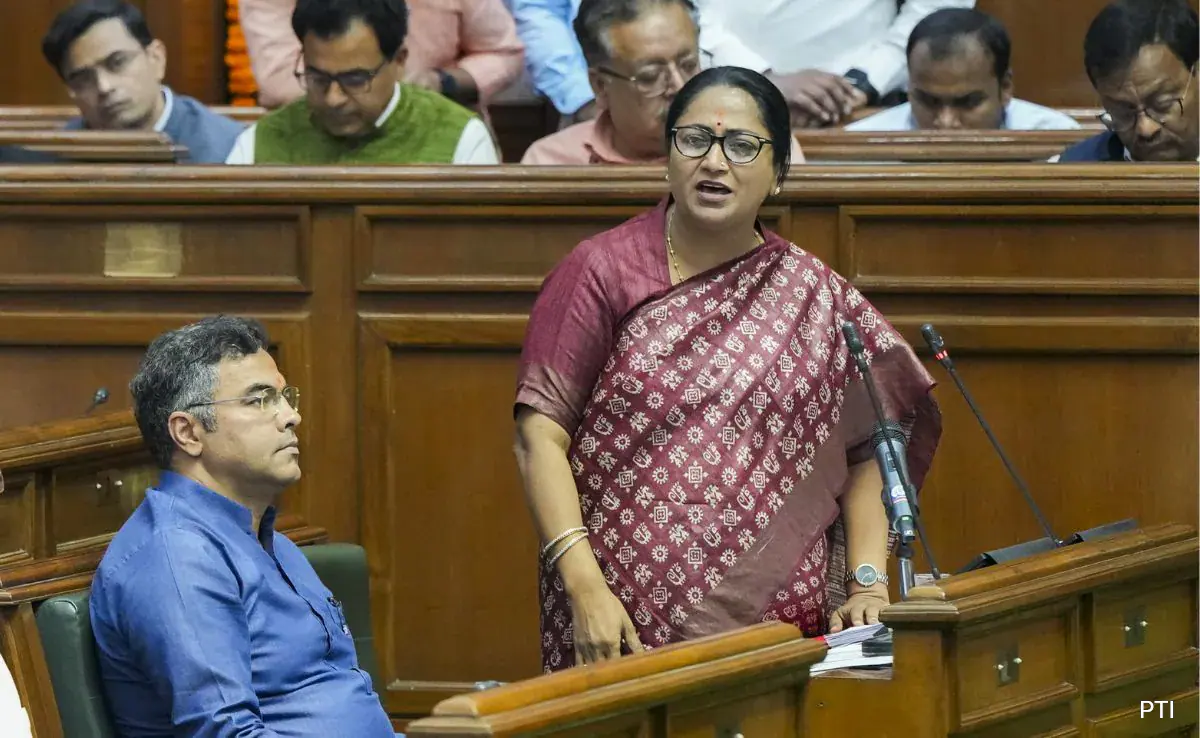
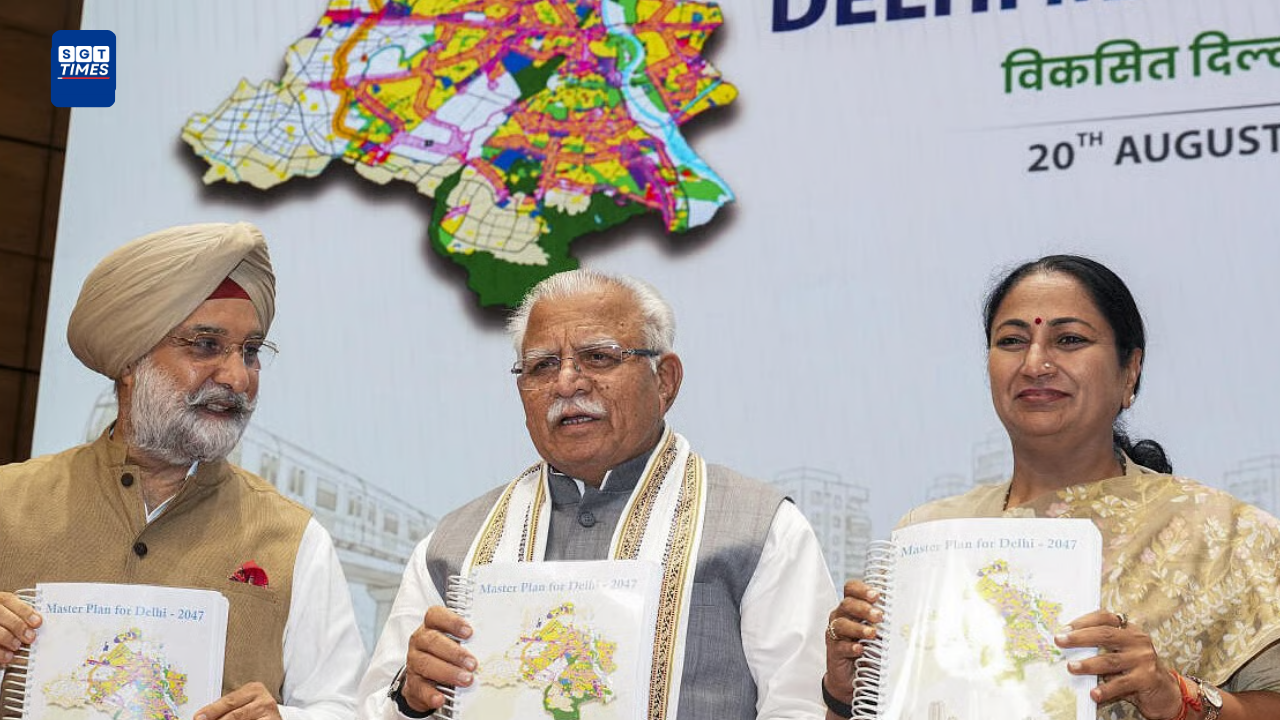
Delhi has unveiled its Master Plan 2047, which outlines a long-term roadmap for the capital’s growth, housing, and infrastructure. The plan was presented by Delhi Chief Minister Rekha Gupta, along with Union Minister Manohar Lal Khattar. Lieutenant Governor Taranjit Singh Sandhu also emphasized the importance of translating the plan into tangible improvements for residents.
The Master Plan comes at a time when Delhi faces increasing pressure from population growth, limited land availability, and a rising demand for housing and transport. With a geographical area of approximately 1,484 square kilometers, planned development is a significant challenge for the capital.
Housing is a top priority in the new plan. The government proposes to add about 3 to 4 million new housing units, with a particular focus on affordable housing. This initiative aims to accommodate the city’s growing population while ensuring that people from various socio-economic backgrounds have access to suitable housing.
The plan also extends development beyond Delhi’s already planned areas. Rural regions and unauthorized colonies are included in the broader development vision, reflecting the government’s commitment to a comprehensive approach to urban growth.
Transport is another major focus of the plan. The metro rail, bus networks, and Regional Rapid Transit System (RRTS) corridors are expected to play a larger role in enhancing mobility. A Transit-Oriented Development approach has also been proposed to promote organized growth along key public transport routes.
An additional notable provision pertains to commercial activity. The plan allows for commercial operations on the ground floors of buildings situated along roads that are 30 meters wide.
Furthermore, the Master Plan proposes the establishment of designated 24-hour activity zones, complete with round-the-clock transport facilities, including metro connectivity.
While unveiling the plan, the emphasis was not only on the vision for Delhi in 2047 but also on how the city can grow while effectively managing pollution, congestion, and infrastructure strain. Ultimately, the success of the plan will depend on how effectively these proposals are implemented on the ground.