June 21 Marks the Summer Solstice, the Longest Day of the Year
Every year, a special astronomical event reminds us just how closely our lives are connected to the movements of the Earth and the Sun. On June 21, people across the Northern Hemisphere experienced the Summer Solstice, widely known as the longest day and shortest night of the year.
The event officially marked the beginning of astronomical summer in countries located north of the Equator. From early morning until late evening, millions enjoyed extended daylight hours as the Sun appeared to take a longer path across the sky than on any other day of the year.
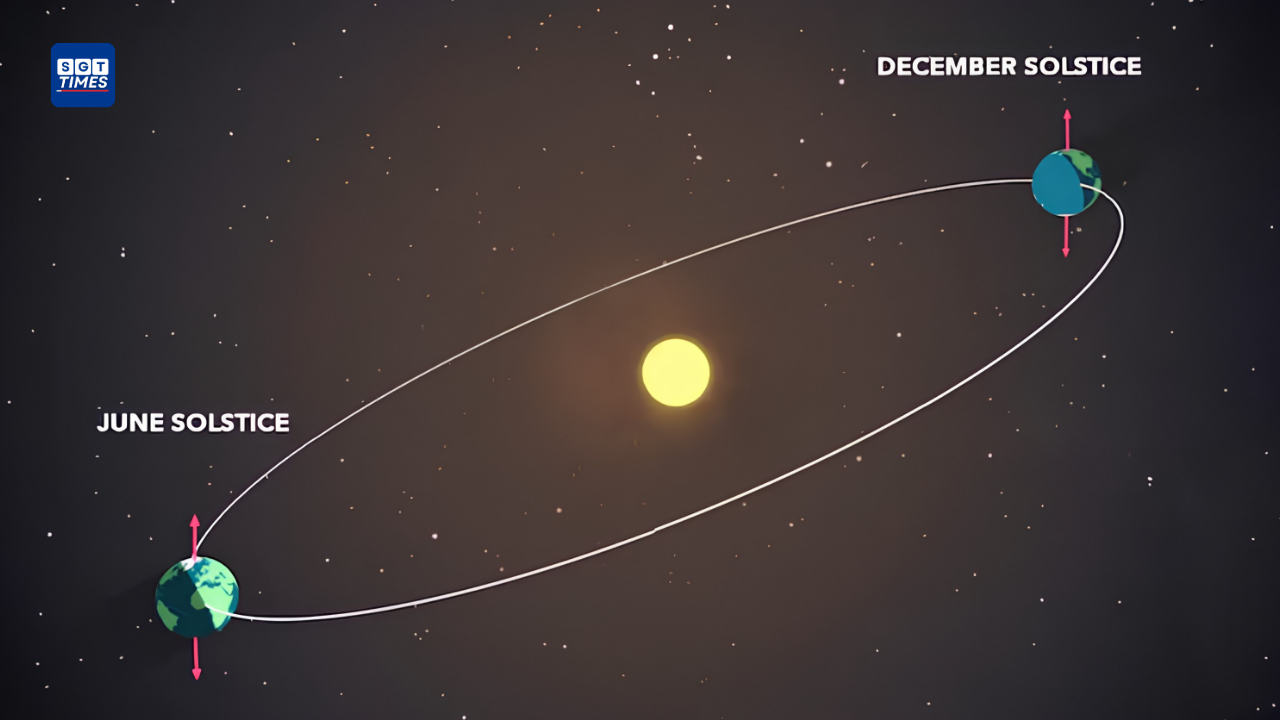
But why does this happen? The answer lies in the Earth’s tilt. Our planet is tilted at approximately 23.44 degrees on its axis. During the Summer Solstice, the Northern Hemisphere is tilted most directly toward the Sun. As a result, sunlight reaches this part of the world for a longer duration, creating the year’s maximum daylight and minimum darkness.
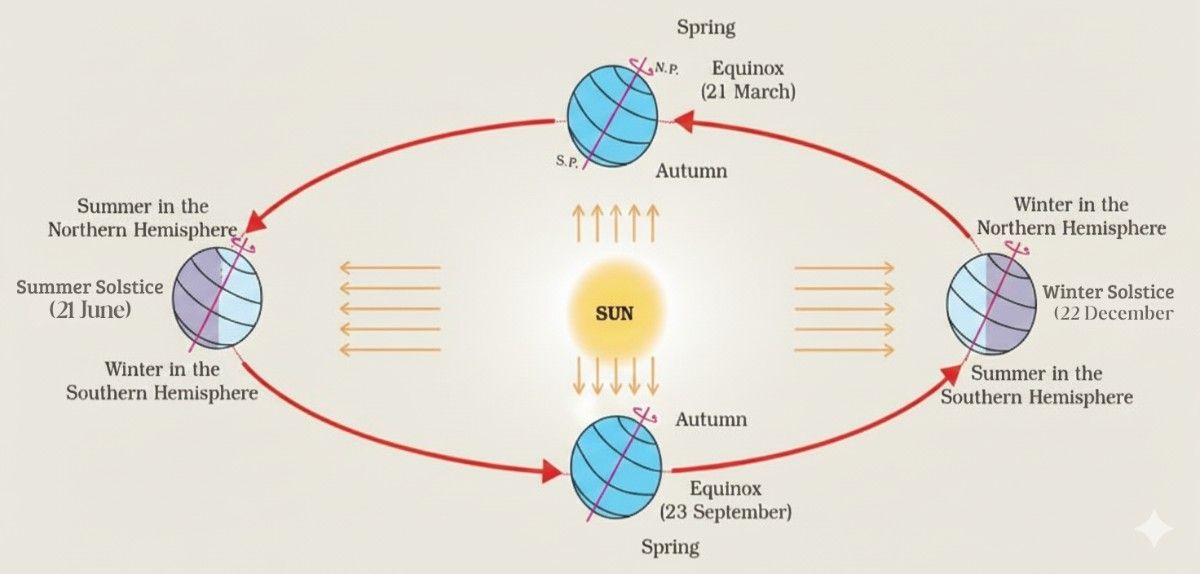
The Summer Solstice occurs once every year and has fascinated humans for centuries. Long before modern astronomy explained the phenomenon, ancient civilisations carefully observed the Sun’s movements. Many cultures celebrated the day through rituals, festivals, and gatherings that honoured nature, agriculture, and seasonal change.
One of the most famous locations associated with the Summer Solstice is Stonehenge. Thousands of visitors gather at the ancient monument each year to watch the sunrise align with the historic stones, creating a breathtaking spectacle that has become a symbol of solstice celebrations around the world.
The event also brings a unique phenomenon to regions near the Arctic Circle. Known as the “Midnight Sun,” this natural occurrence allows daylight to continue for nearly 24 hours, offering an extraordinary experience for residents and visitors alike.
While the Summer Solstice lasts only a moment astronomically, its impact is felt throughout the season. It serves as a reminder of the Earth’s natural rhythms and the cosmic relationship that influences seasons, weather patterns, and daily life. As summer begins, the solstice continues to inspire curiosity, celebration, and appreciation for the wonders of our planet and the universe beyond.